
Click for more.
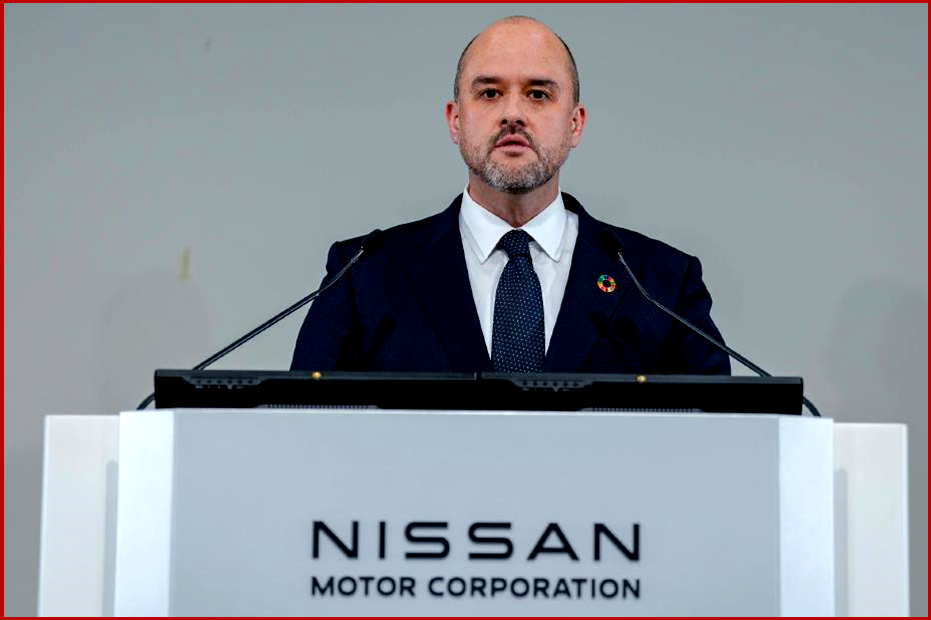
Today, Nissan made a tough but necessary decision. It wasn’t easy—for me or for the company—but I believe it’s a vital step toward overcoming our current challenges and building a sustainable future. The Oppama Plant is a proud part of our history, and its legacy will endure. I want to sincerely thank our employees, the local community, and our partners who have supported this plant with dedication and heart. We will continue to operate in the Oppama area with strong support for the local community, as we carry forward the spirit of Oppama plant and work to restore Nissan’s true value,” said Nissan CEO Ivan Espinosa.
Nissan said that for the future use of the Oppama plant after production ends, it will “explore a wide range of options to determine the most appropriate path forward. Employees currently working at the Oppama plant will remain in their employment until the end of fiscal year 2027. To address concerns regarding employment and work arrangements beyond that point, the company will establish clear policies, communicate them to affected employees, and initiate discussions with the union promptly once decisions are finalized.”
Under Re: Nissan, Nissan aims to reduce its global production capacity from 3.5 million units (excluding China) to 2.5 million units, while maintaining a plant usage rate of ~100%. To achieve this, the company has been considering the consolidation of production sites from 17 to 10.
“In Japan, Nissan has concluded that transferring and consolidating vehicle production from the Oppama Plant to Nissan Motor Kyushu is the most effective solution, based on production capacity, cost efficiency, and investment potential. This transfer is expected to significantly reduce manufacturing costs in Japan, strengthen plant competitiveness, improve product profitability, and support Nissan’s long-term growth. The related costs are under assessment and will be disclosed during the upcoming first quarter financial announcement,” Nissan said.







