
Click to enlarge.
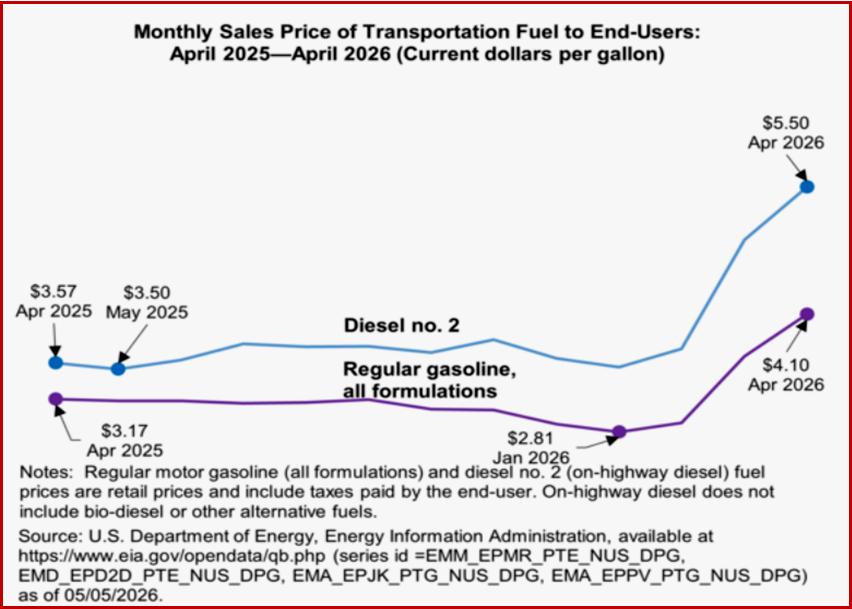
“The largest energy supply shock in history is still unfolding. Petroleum and liquefied natural gas (LNG) prices have risen significantly since February 28, and many analysts expect them to continue to climb. Fuel shortages in some countries have led to rationing, shutting schools and workplaces.
“Necessity, as the old saying would have it, is giving birth to invention. But in emergencies, options are limited. Fuel-switching, such as coal for liquefied natural gas (LNG), is feasible in some places. Others must make do with coping strategies like turning off computers during lunch breaks (Philippines), limiting private vehicle operations to alternate days (Myanmar), or allowing workers to wear shirt sleeves in less-cooled offices (Thailand).
“Another old saying: chance favors the prepared mind. Emergency stockpiles have helped to buffer the shock. The International Energy Agency (IEA), which was created in response to the 1973 energy crisis to perform precisely this function, coordinated the largest stockpile release in history. Yet, stockpiles are dwindling as prices continue to move upward,” said David M. Hart Senior Fellow for Climate and Energy at the Council on Foreign Relations (CFR). [He is also a professor emeritus of public policy at George Mason University’s Schar School of Policy and Government – AutoCrat.]