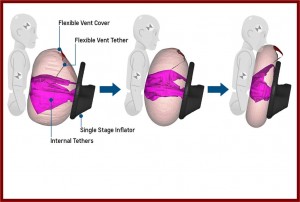
Since 2008, automakers have recalled 17 million vehicles with Takata air bags that can rupture on deployment producing shrapnel that kills or seriously injures occupants.
The National Highway Traffic Safety Administration, aka NHTSA, has issued an order requiring Takata to preserve all recalled air bag inflators so they can be used as evidence for NHTSA’s probe and private litigation. The order also requires NHTSA’s access to all data from the testing of those removed inflators. NHTSA on 20 February began levying $14,000 a day in civil penalties against Takata for failure to respond to requests for information about more than 2.5 million pages of documents it has produced under NHTSA orders.
It was the latest setback for the beleaguered Japanese company whose prospects of survival in the airbag business appear bleak given a growing number of deaths from Takata airbags that send shrapnel into a vehicles’ interior.
NHTSA also upgraded the Takata investigation to an engineering analysis, a formal step in the agency’s defect investigation process.
Since 2008, automakers have recalled 17 million vehicles with Takata air bags that can rupture when they deploy, producing shrapnel that can kill or seriously injure occupants. In 2014, five automakers – BMW, Chrysler, Ford, Honda and Mazda – launched national recalls at NHTSA’s insistence for defective driver-side air bags. Those five, plus General Motors, Mitsubishi, Nissan, Subaru and Toyota, are recalling vehicles for defective passenger-side air bags in areas of high absolute humidity, which is believed to be a factor in the ruptures.
NHTSA said that upgrading the investigation is an important step in determining the actual cause of the air bag failures and the appropriateness of remedies, as well as determining whether Takata’s refusal to notify the agency of a safety defect violates federal safety laws or regulations.
Under NHTSA oversight, Takata is testing air bag inflators to determine the scope of the defect and to search for the root cause. Testing thousands of air bags to date has not produced any evidence that the passenger-side defect extends outside the high-humidity zone.
Automakers now have formed a testing consortium, and private plaintiffs have sought access to inflators in federal court to conduct their own tests.
NHTSA has hired an outside expert with expertise in the use of propellants in air bags to examine the range of possible root causes, help monitor testing and advise the agency on any additional actions.
Among the key provisions of the order:
- Takata is prohibited from destroying or damaging any inflators except as is necessary to conduct testing.
- Takata is required to set aside 10% of recalled inflators and make them available to private plaintiffs for testing.
- Takata is required to submit for NHTSA’s approval plans for gathering, storing and preserving inflators already removed through the recall process and inflators removed in the future, as well as written procedures for making inflators available to plaintiffs and automakers who request access.
- Plaintiffs or automakers who seek access to inflators must submit to the terms of the preservation order, which grants NHTSA access to all testing data.
- NHTSA retains the ability to collect inflators for its own testing if it determines such testing is necessary.