
During the 12 months before the rule, carriers had 693 tarmac delays of more than three hours, and 105 of the delays were longer than four hours. Anti-government regulation fanatics should note that this is a clear case of effective regulation.
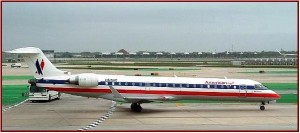
The U. S. Department of Transportation – DOT – today fined American Eagle Airlines $900,000 for lengthy tarmac delays at Chicago O’Hare International Airport on 29 May 29 2011. American Eagle had tarmac delays of more than three hours on 15 flights arriving at O’Hare.
This is the first fine under DOT’s new rule that took effect in April 2010. Airlines, after years of disregarding passengers for decades now face fines after three hours for tarmac delays on domestic flights.
The American fine sets the record as the largest penalty paid by an airline in a consumer protection case not involving civil rights violations, and is a clear example of effective government regulation.
Under DOT rules, U.S. airlines operating aircraft with 30 or more passenger seats are prohibited from allowing their domestic flights to remain on the tarmac for more than three hours at large, medium, small and non-hub U.S. airports without giving passengers an opportunity to get off the cramped plane.
Exceptions are allowed only for safety, security or air traffic control-related reasons. The rules require carriers to include the three-hour provision in their tarmac delay contingency plan commitments to passengers.
An investigation by DOT’s Aviation Enforcement Office concluded that while American had a procedure in place to bring passengers subject to a tarmac delay back to the gate, the carrier was late in implementing its procedure, resulting in violations of the rule.
Under the consent order, which reflects a settlement by DOT’s Aviation Enforcement Office with the carrier, American Eagle is ordered to cease and desist from future violations of the tarmac delay rule and is assessed a $900,000 civil penalty.
A total of $650,000 must be paid within 30 days, and up to $250,000 can be credited for refunds, vouchers, and frequent flyer mile awards provided to the passengers on the 15 flights on May 29, as well as to passengers on future flights that experience lengthy tarmac delays of less than three hours.
Between May 2010 and April 2011, the first 12 months after the three-hour limit was in effect, the larger U.S. airlines required to file tarmac delays reported 20 tarmac delays of more than three hours, none of which was more than four hours long. In contrast, during the 12 months before the rule took effect, these carriers had 693 tarmac delays of more than three hours, and 105 of the delays were longer than four hours, according to DOT. Anti-government regulation fanatics should note that this is a clear case of effective regulation.
Furthermore, under an expansion of the tarmac delay rule that took effect this past August, international flights at covered U.S. airports are now prohibited from remaining on the tarmac for more than four hours without permitting passengers the opportunity to deplane, subject to the same safety, security and air traffic control-related exceptions as the rule for domestic flights.
“We put the tarmac rule in place to protect passengers, and we take any violation very seriously,” said U.S. Transportation Secretary Ray LaHood. “We will work to ensure that airlines and airports coordinate their resources and plans to avoid keeping passengers delayed on the tarmac.”