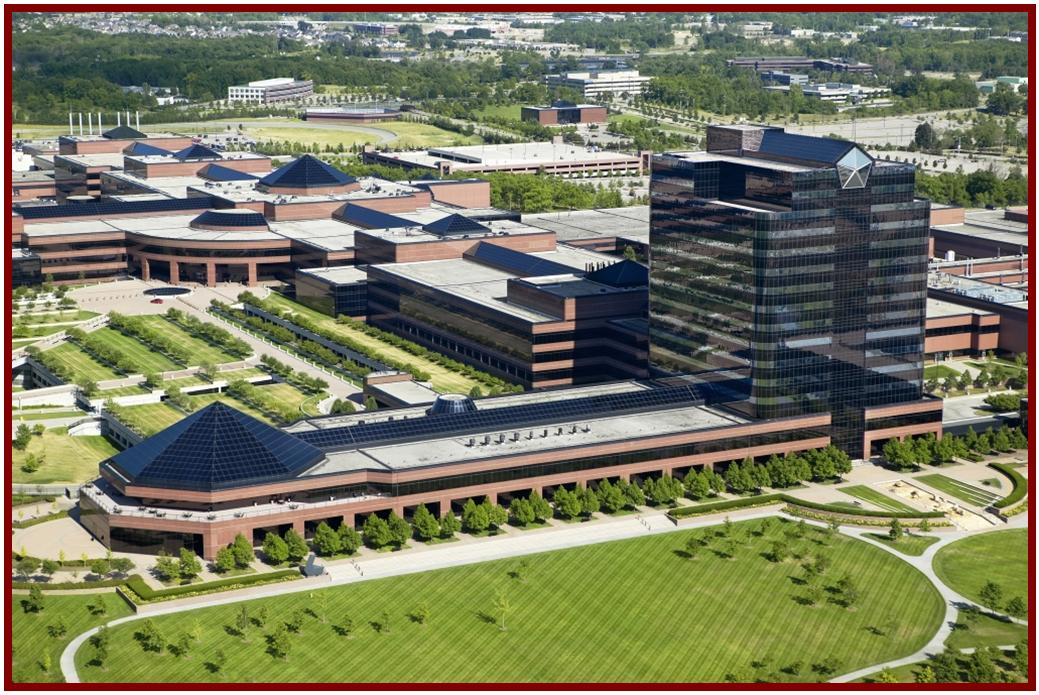
Strong sales were an important step to becoming a publicly traded stock again.
The Securities and Exchange Commission yesterday charged Michigan-based automaker FCA US LLC, and its parent company, Fiat Chrysler Automobiles N.V., for misleading investors about the number of new vehicles sold each month to customers in the United States. FCA US and Fiat Chrysler Automobiles have agreed to pay $40 million to settle the charges. Translation: FCA bought its way out of all legal troubles with the SEC here for a mere $40 million.*
According to the SEC’s order, between 2012 and 2016, FCA US issued monthly press releases falsely reporting new vehicle sales and falsely touting a “streak” of uninterrupted monthly year-over-year sales growth. However, the growth streak ended in September 2013. (FCA is New Name for Fiat Chrysler Automobiles)
FCA US and Fiat Chrysler Automobiles included the false press releases in their SEC filings. New vehicle sales and the growth streak were key performance indicators that illustrated the company’s competitive position and demand for its vehicles.
FCA US inflated new vehicle sales results by paying dealers to report fake vehicle sales and maintaining a database of actual but unreported sales, which employees often referred to as a “cookie jar.” In months when the growth streak would have ended or when FCA US fell short of other targets, FCA US dipped into the “cookie jar” and reported old sales as if they had just occurred.
The SEC’s order finds that FCA US and Fiat Chrysler Automobiles violated the antifraud provisions of the Securities Act of 1933 and the Securities Exchange Act of 1934, as well as the reporting, books and records, and internal accounting controls provisions of the Exchange Act.
In a controversial and questionable deal in AutoInformed’s view, without admitting or denying the Commission’s findings, the two companies have agreed to cease and desist from committing or causing any future violations of these provisions and to pay a civil penalty of $40 million on a joint and several basis.
The SEC’s investigation was conducted by Gosia Spangenberg, Andrea Fox, Daniel Maher, and Nicholas Margida, under the supervision of Lisa Deitch, Peter Rosario, and Ms. Chion. Who made the decision to let FCA walk was not disclosed.
* (From the SEC finding: an explanation of the deal – Autocrat)
“To preserve the deterrent effect of the civil penalty, Respondents agree that in any Related Investor Action, they shall not argue that they are entitled to, nor shall they benefit by, offset or reduction of any award of compensatory damages by the amount of any part of Respondents’ payment of a civil penalty in this action (“Penalty Offset”). If the court in any Related Investor Action grants such a Penalty Offset, Respondents agree that they shall, within 30 days after entry of a final order granting the Penalty Offset, notify the Commission’s counsel in this action and pay the amount of the Penalty Offset to the Securities and Exchange Commission. Such a payment shall not be deemed an additional civil penalty and shall not be deemed to change the amount of the civil penalty imposed in these proceedings. For purposes of this paragraph, a ‘Related Investor Action’ means a private damages action brought against any Respondent by or on behalf of one or more investors based on substantially the same facts as alleged in the Order instituted by the Commission in these proceedings.”

About Ken Zino
Ken Zino, editor and publisher of AutoInformed, is a versatile auto industry participant with global experience spanning decades in print and broadcast journalism, as well as social media. He has automobile testing, marketing, public relations and communications experience. He is past president of The International Motor Press Assn, the Detroit Press Club, founding member and first President of the Automotive Press Assn. He is a member of APA, IMPA and the Midwest Automotive Press Assn.
He also brings an historical perspective while citing their contemporary relevance of the work of legendary auto writers such as Ken Purdy, Jim Dunne or Jerry Flint, or writers such as Red Smith, Mark Twain, Thomas Jefferson – all to bring perspective to a chaotic automotive universe.
Above all, decades after he first drove a car, Zino still revels in the sound of the exhaust as the throttle is blipped during a downshift and the driver’s rush that occurs when the entry, apex and exit points of a turn are smoothly and swiftly crossed. It’s the beginning of a perfect lap.
AutoInformed has an editorial philosophy that loves transportation machines of all kinds while promoting critical thinking about the future use of cars and trucks.
Zino builds AutoInformed from his background in automotive journalism starting at Hearst Publishing in New York City on Motor and MotorTech Magazines and car testing where he reviewed hundreds of vehicles in his decade-long stint as the Detroit Bureau Chief of Road & Track magazine. Zino has also worked in Europe, and Asia – now the largest automotive market in the world with China at its center.







Fiat Chrysler Cops Plea on Fraudulently Reporting Sales
Strong sales were an important step to becoming a publicly traded stock again.
The Securities and Exchange Commission yesterday charged Michigan-based automaker FCA US LLC, and its parent company, Fiat Chrysler Automobiles N.V., for misleading investors about the number of new vehicles sold each month to customers in the United States. FCA US and Fiat Chrysler Automobiles have agreed to pay $40 million to settle the charges. Translation: FCA bought its way out of all legal troubles with the SEC here for a mere $40 million.*
According to the SEC’s order, between 2012 and 2016, FCA US issued monthly press releases falsely reporting new vehicle sales and falsely touting a “streak” of uninterrupted monthly year-over-year sales growth. However, the growth streak ended in September 2013. (FCA is New Name for Fiat Chrysler Automobiles)
FCA US and Fiat Chrysler Automobiles included the false press releases in their SEC filings. New vehicle sales and the growth streak were key performance indicators that illustrated the company’s competitive position and demand for its vehicles.
FCA US inflated new vehicle sales results by paying dealers to report fake vehicle sales and maintaining a database of actual but unreported sales, which employees often referred to as a “cookie jar.” In months when the growth streak would have ended or when FCA US fell short of other targets, FCA US dipped into the “cookie jar” and reported old sales as if they had just occurred.
The SEC’s order finds that FCA US and Fiat Chrysler Automobiles violated the antifraud provisions of the Securities Act of 1933 and the Securities Exchange Act of 1934, as well as the reporting, books and records, and internal accounting controls provisions of the Exchange Act.
In a controversial and questionable deal in AutoInformed’s view, without admitting or denying the Commission’s findings, the two companies have agreed to cease and desist from committing or causing any future violations of these provisions and to pay a civil penalty of $40 million on a joint and several basis.
The SEC’s investigation was conducted by Gosia Spangenberg, Andrea Fox, Daniel Maher, and Nicholas Margida, under the supervision of Lisa Deitch, Peter Rosario, and Ms. Chion. Who made the decision to let FCA walk was not disclosed.
* (From the SEC finding: an explanation of the deal – Autocrat)
“To preserve the deterrent effect of the civil penalty, Respondents agree that in any Related Investor Action, they shall not argue that they are entitled to, nor shall they benefit by, offset or reduction of any award of compensatory damages by the amount of any part of Respondents’ payment of a civil penalty in this action (“Penalty Offset”). If the court in any Related Investor Action grants such a Penalty Offset, Respondents agree that they shall, within 30 days after entry of a final order granting the Penalty Offset, notify the Commission’s counsel in this action and pay the amount of the Penalty Offset to the Securities and Exchange Commission. Such a payment shall not be deemed an additional civil penalty and shall not be deemed to change the amount of the civil penalty imposed in these proceedings. For purposes of this paragraph, a ‘Related Investor Action’ means a private damages action brought against any Respondent by or on behalf of one or more investors based on substantially the same facts as alleged in the Order instituted by the Commission in these proceedings.”
About Ken Zino
Ken Zino, editor and publisher of AutoInformed, is a versatile auto industry participant with global experience spanning decades in print and broadcast journalism, as well as social media. He has automobile testing, marketing, public relations and communications experience. He is past president of The International Motor Press Assn, the Detroit Press Club, founding member and first President of the Automotive Press Assn. He is a member of APA, IMPA and the Midwest Automotive Press Assn. He also brings an historical perspective while citing their contemporary relevance of the work of legendary auto writers such as Ken Purdy, Jim Dunne or Jerry Flint, or writers such as Red Smith, Mark Twain, Thomas Jefferson – all to bring perspective to a chaotic automotive universe. Above all, decades after he first drove a car, Zino still revels in the sound of the exhaust as the throttle is blipped during a downshift and the driver’s rush that occurs when the entry, apex and exit points of a turn are smoothly and swiftly crossed. It’s the beginning of a perfect lap. AutoInformed has an editorial philosophy that loves transportation machines of all kinds while promoting critical thinking about the future use of cars and trucks. Zino builds AutoInformed from his background in automotive journalism starting at Hearst Publishing in New York City on Motor and MotorTech Magazines and car testing where he reviewed hundreds of vehicles in his decade-long stint as the Detroit Bureau Chief of Road & Track magazine. Zino has also worked in Europe, and Asia – now the largest automotive market in the world with China at its center.