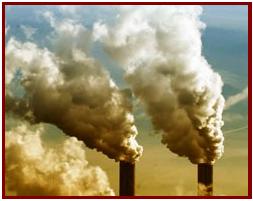
 The U.S. Environmental Protection Agency today released publicly available, annual data on 2021 emissions of nitrogen oxides (NOX), sulfur dioxide (SO2), carbon dioxide (CO2), and mercury from power plants in the lower 48 states. Emissions in 2021 were higher than 2020, EPA said because of a rebound in coal-fired generation as natural gas prices and energy demand increased. Worse emissions increased at rates much higher than the demand for electricity.
Compared to 2020, the 2021 data show a 6% increase in NOx emissions, a 20% increase in SO2 emissions, a 7% increase in CO2 emissions, and a 13% increase in mercury emissions. Ozone season (May 1 to September 30) NOX emissions increased by 5%. Overall, based on the first 11 months of 2021, electricity demand only increased by 3% compared to 2020. Compared to 2019, 2021 emissions fell between 3% and 11%, reflecting a longer trend of decreasing annual emissions.
“The 2021 increase in coal-fired generation and resulting rise in air pollution shows how important it is to urgently forge ahead in building and supporting a cleaner power sector,” said EPA Administrator Michael S. Regan. “Thanks in part to EPA rules and policies, we have made great progress in lowering dangerous pollution over the last several decades. But it’s clear our work is far from done, as we deliver on our commitment to protect the health of everyone and especially those most vulnerable among us.” (EPA Sets Strict Carbon Pollution Limits for New Power Plants; EPA Standards to Cut Carbon Pollution from Dirty Coal Powerplants. Anti-Environment Republicans Vow Court Fights; EPA Issues First Standards on Powerplant Mercury Pollution; U.S. Chamber of Commerce Attacks EPA, Again, over Powerplant Emission Rules; Federal Appeals Court blocks Enforcement of EPA Cross State Rule until Dozens of Power Company Lawsuits are Resolved)
Between 1990 and 2021, annual emissions of SO2 from power plants fell by 94% and annual emissions of NOX from power plants fell by 88%. In 2021, sources in both the Cross-State Air Pollution Rule (CSAPR) annual program and the Acid Rain Program (ARP) together emitted 0.94 million tons of SO2, a 14.8-million-ton reduction from 1990 levels. In 2021, sources in both the CSAPR NOX annual program and the ARP together emitted 0.78 million tons, a 5.6-million-ton reduction from 1990 levels. While complying with programs to reduce SO2, NOx and mercury, CO2 emissions from power plants dropped by 21% between 1995 and 2021.
Long-term declines in emissions are due primarily to changes in the mix of fuels used in electricity generation. While data from 2021 showed a one-year 16% increase in coal generation and a 3% decrease in natural gas generation, there is a shift underway from higher emitting to lower and zero emitting generation.
These long-term reductions in power sector emissions protect community health said EPA. NOX and SO2 emissions contribute to the formation of ground-level ozone and particulate matter, which can lead to respiratory and cardiovascular problems, and exposure to mercury, a potent neurotoxin, effects the nervous system and brain functions, particularly in infants and children, and is known to cause other significant health effects.
Ambient particulate sulfate concentrations in the eastern United States have shown substantial improvement, decreasing between 76% and 79% from the 2000-2002 to 2018–2020 observation periods. All areas of the eastern United States have shown significant improvement in wet sulfate deposition in this period, with an overall 70% reduction. In addition, these emissions reductions are resulting in positive ecosystem impacts. The level of acid neutralizing capacity, an indicator of recovery, improved significantly from 1990 levels at lake and stream monitoring sites in the Adirondacks, New England and the Catskill mountains.
EPA collects detailed SO2, NOX, CO2, and mercury emission data and other information from power plants across the country, as part of ARP, the CSAPR Programs, and the Mercury and Air Toxics Standards (MATS). Emissions data collected through these programs are posted online and accessible to the public in summary form at: https://www.epa.gov/airmarkets/power-plant-emission-trends.

About Ken Zino
Ken Zino, editor and publisher of AutoInformed, is a versatile auto industry participant with global experience spanning decades in print and broadcast journalism, as well as social media. He has automobile testing, marketing, public relations and communications experience. He is past president of The International Motor Press Assn, the Detroit Press Club, founding member and first President of the Automotive Press Assn. He is a member of APA, IMPA and the Midwest Automotive Press Assn.
He also brings an historical perspective while citing their contemporary relevance of the work of legendary auto writers such as Ken Purdy, Jim Dunne or Jerry Flint, or writers such as Red Smith, Mark Twain, Thomas Jefferson – all to bring perspective to a chaotic automotive universe.
Above all, decades after he first drove a car, Zino still revels in the sound of the exhaust as the throttle is blipped during a downshift and the driver’s rush that occurs when the entry, apex and exit points of a turn are smoothly and swiftly crossed. It’s the beginning of a perfect lap.
AutoInformed has an editorial philosophy that loves transportation machines of all kinds while promoting critical thinking about the future use of cars and trucks.
Zino builds AutoInformed from his background in automotive journalism starting at Hearst Publishing in New York City on Motor and MotorTech Magazines and car testing where he reviewed hundreds of vehicles in his decade-long stint as the Detroit Bureau Chief of Road & Track magazine. Zino has also worked in Europe, and Asia – now the largest automotive market in the world with China at its center.








Power Plants Continue to Befoul Our Air During 2021
Compared to 2020, the 2021 data show a 6% increase in NOx emissions, a 20% increase in SO2 emissions, a 7% increase in CO2 emissions, and a 13% increase in mercury emissions. Ozone season (May 1 to September 30) NOX emissions increased by 5%. Overall, based on the first 11 months of 2021, electricity demand only increased by 3% compared to 2020. Compared to 2019, 2021 emissions fell between 3% and 11%, reflecting a longer trend of decreasing annual emissions.
“The 2021 increase in coal-fired generation and resulting rise in air pollution shows how important it is to urgently forge ahead in building and supporting a cleaner power sector,” said EPA Administrator Michael S. Regan. “Thanks in part to EPA rules and policies, we have made great progress in lowering dangerous pollution over the last several decades. But it’s clear our work is far from done, as we deliver on our commitment to protect the health of everyone and especially those most vulnerable among us.” (EPA Sets Strict Carbon Pollution Limits for New Power Plants; EPA Standards to Cut Carbon Pollution from Dirty Coal Powerplants. Anti-Environment Republicans Vow Court Fights; EPA Issues First Standards on Powerplant Mercury Pollution; U.S. Chamber of Commerce Attacks EPA, Again, over Powerplant Emission Rules; Federal Appeals Court blocks Enforcement of EPA Cross State Rule until Dozens of Power Company Lawsuits are Resolved)
Between 1990 and 2021, annual emissions of SO2 from power plants fell by 94% and annual emissions of NOX from power plants fell by 88%. In 2021, sources in both the Cross-State Air Pollution Rule (CSAPR) annual program and the Acid Rain Program (ARP) together emitted 0.94 million tons of SO2, a 14.8-million-ton reduction from 1990 levels. In 2021, sources in both the CSAPR NOX annual program and the ARP together emitted 0.78 million tons, a 5.6-million-ton reduction from 1990 levels. While complying with programs to reduce SO2, NOx and mercury, CO2 emissions from power plants dropped by 21% between 1995 and 2021.
Long-term declines in emissions are due primarily to changes in the mix of fuels used in electricity generation. While data from 2021 showed a one-year 16% increase in coal generation and a 3% decrease in natural gas generation, there is a shift underway from higher emitting to lower and zero emitting generation.
These long-term reductions in power sector emissions protect community health said EPA. NOX and SO2 emissions contribute to the formation of ground-level ozone and particulate matter, which can lead to respiratory and cardiovascular problems, and exposure to mercury, a potent neurotoxin, effects the nervous system and brain functions, particularly in infants and children, and is known to cause other significant health effects.
Ambient particulate sulfate concentrations in the eastern United States have shown substantial improvement, decreasing between 76% and 79% from the 2000-2002 to 2018–2020 observation periods. All areas of the eastern United States have shown significant improvement in wet sulfate deposition in this period, with an overall 70% reduction. In addition, these emissions reductions are resulting in positive ecosystem impacts. The level of acid neutralizing capacity, an indicator of recovery, improved significantly from 1990 levels at lake and stream monitoring sites in the Adirondacks, New England and the Catskill mountains.
EPA collects detailed SO2, NOX, CO2, and mercury emission data and other information from power plants across the country, as part of ARP, the CSAPR Programs, and the Mercury and Air Toxics Standards (MATS). Emissions data collected through these programs are posted online and accessible to the public in summary form at: https://www.epa.gov/airmarkets/power-plant-emission-trends.
About Ken Zino
Ken Zino, editor and publisher of AutoInformed, is a versatile auto industry participant with global experience spanning decades in print and broadcast journalism, as well as social media. He has automobile testing, marketing, public relations and communications experience. He is past president of The International Motor Press Assn, the Detroit Press Club, founding member and first President of the Automotive Press Assn. He is a member of APA, IMPA and the Midwest Automotive Press Assn. He also brings an historical perspective while citing their contemporary relevance of the work of legendary auto writers such as Ken Purdy, Jim Dunne or Jerry Flint, or writers such as Red Smith, Mark Twain, Thomas Jefferson – all to bring perspective to a chaotic automotive universe. Above all, decades after he first drove a car, Zino still revels in the sound of the exhaust as the throttle is blipped during a downshift and the driver’s rush that occurs when the entry, apex and exit points of a turn are smoothly and swiftly crossed. It’s the beginning of a perfect lap. AutoInformed has an editorial philosophy that loves transportation machines of all kinds while promoting critical thinking about the future use of cars and trucks. Zino builds AutoInformed from his background in automotive journalism starting at Hearst Publishing in New York City on Motor and MotorTech Magazines and car testing where he reviewed hundreds of vehicles in his decade-long stint as the Detroit Bureau Chief of Road & Track magazine. Zino has also worked in Europe, and Asia – now the largest automotive market in the world with China at its center.