A leap in the dark?
NHTSA has asked SAE International to develop Autonomous vehicle safety testing protocols and guidelines. SAE formally announced this Automated Driving Systems (ADS) Safety Performance Testing Program at the end of last month during CAR’s annual Management Briefing Seminar in Northern Michigan. The initiative establishes a network with SAE, government, industry and researchers to develop and create new standards for AV testing.
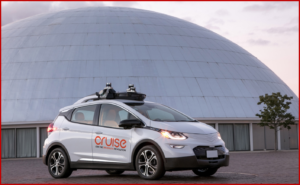
The program is long, long overdue with Google and automakers such as Daimler, GM, Ford and FCA – among others – are well underway to turning loose on the untrained public semi-automated and fully automated vehicles. Waymo – the Google driverless car will be in service in Arizona this fall. Apple is expanding its fleet of driverless vehicles in California.
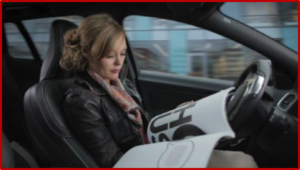
Autonomous driving allows for more efficient time-management behind the wheel, but you have to give up control and trust in the new technology.
All these programs prove that automakers are taking huge leaps in bringing AVs to the mainstream, yet there are no regulatory checks and balances on the technology’s safety or reliability. It’s the proverbial leap in the dark. And an old-style U.S. auto regulatory approach of reaction, with post-sale enforcement of safety standards appearing after the accidents happen.
“Public comfort and acceptance of self-driving vehicles are crucial for their success, both in the near-term of testing and the future of widespread use,” said Frank Menchaca, SAE International Chief Product Officer.
With SAE’s so-called Demo Day initiative, the standards organization is attempting to understand evolving public attitudes about self-driving technology and the experience of traveling in an automated vehicle. Riders are asked questions before, during and after tan AV ride about their perceptions of, and comfort level with autonomous vehicles. (https://youtu.be/kAHNeSqpJt8)
“Demo Day brings the most important audience to the dialogue—the public,” said Menchaca. It’s ironic that an industry that prides itself on data and voice of the customer clichés is spending billions of shareholders dollars with scant information.
Considering all the people who will be affected by autonomous or semi-autonomous vehicles, it’s quite a learning process. And the task encompasses the experiences beyond just drivers and early adapters. SAE is perhaps the only organization that can set standards here. But the real work is just beginning. Intent is not the accomplishment of stringent standards to safely move into a new era of automobility.
“Automated vehicles have the potential to save thousands of lives, driving the single biggest leap in road safety that our country has ever taken,” claimed “Automated vehicles have the potential to save thousands of lives, driving the single biggest leap in road safety that our country has ever taken,” claimed U.S. Transportation Secretary Anthony Foxx almost two years ago. “This policy is an unprecedented step by the federal government to harness the benefits of transformative (sic) technology by providing a framework for how to do it safely.
Fox also admitted that there are “huge upsides and significant challenges that come with automated vehicle technology.”
Not everyone is happy with DOT’s glacial progress on autonomous vehicles.
“Consumers need more than just guidelines. This new policy comes with a lot of bark, but not enough bite,” said Marta Tellado, President and CEO of Consumer Reports when DOT released guidelines during September 2016.
“While these technologies have the potential to save lives, there must be strong federal standards to protect all drivers. We can’t just leave it to the states to do the hard work of deciding whether to let a self-driving car on public roads. These cars won’t be widely accepted until consumers can trust they are safe. We urge the Transportation Department to move quickly to put actual safety standards in place for how these systems are designed and tested, before these vehicles wind up on the road.”

About Ken Zino
Ken Zino, editor and publisher of AutoInformed, is a versatile auto industry participant with global experience spanning decades in print and broadcast journalism, as well as social media. He has automobile testing, marketing, public relations and communications experience. He is past president of The International Motor Press Assn, the Detroit Press Club, founding member and first President of the Automotive Press Assn. He is a member of APA, IMPA and the Midwest Automotive Press Assn.
He also brings an historical perspective while citing their contemporary relevance of the work of legendary auto writers such as Ken Purdy, Jim Dunne or Jerry Flint, or writers such as Red Smith, Mark Twain, Thomas Jefferson – all to bring perspective to a chaotic automotive universe.
Above all, decades after he first drove a car, Zino still revels in the sound of the exhaust as the throttle is blipped during a downshift and the driver’s rush that occurs when the entry, apex and exit points of a turn are smoothly and swiftly crossed. It’s the beginning of a perfect lap.
AutoInformed has an editorial philosophy that loves transportation machines of all kinds while promoting critical thinking about the future use of cars and trucks.
Zino builds AutoInformed from his background in automotive journalism starting at Hearst Publishing in New York City on Motor and MotorTech Magazines and car testing where he reviewed hundreds of vehicles in his decade-long stint as the Detroit Bureau Chief of Road & Track magazine. Zino has also worked in Europe, and Asia – now the largest automotive market in the world with China at its center.







SAE to Administer Autonomous Testing Program
A leap in the dark?
NHTSA has asked SAE International to develop Autonomous vehicle safety testing protocols and guidelines. SAE formally announced this Automated Driving Systems (ADS) Safety Performance Testing Program at the end of last month during CAR’s annual Management Briefing Seminar in Northern Michigan. The initiative establishes a network with SAE, government, industry and researchers to develop and create new standards for AV testing.
The program is long, long overdue with Google and automakers such as Daimler, GM, Ford and FCA – among others – are well underway to turning loose on the untrained public semi-automated and fully automated vehicles. Waymo – the Google driverless car will be in service in Arizona this fall. Apple is expanding its fleet of driverless vehicles in California.
Autonomous driving allows for more efficient time-management behind the wheel, but you have to give up control and trust in the new technology.
All these programs prove that automakers are taking huge leaps in bringing AVs to the mainstream, yet there are no regulatory checks and balances on the technology’s safety or reliability. It’s the proverbial leap in the dark. And an old-style U.S. auto regulatory approach of reaction, with post-sale enforcement of safety standards appearing after the accidents happen.
“Public comfort and acceptance of self-driving vehicles are crucial for their success, both in the near-term of testing and the future of widespread use,” said Frank Menchaca, SAE International Chief Product Officer.
With SAE’s so-called Demo Day initiative, the standards organization is attempting to understand evolving public attitudes about self-driving technology and the experience of traveling in an automated vehicle. Riders are asked questions before, during and after tan AV ride about their perceptions of, and comfort level with autonomous vehicles. (https://youtu.be/kAHNeSqpJt8)
“Demo Day brings the most important audience to the dialogue—the public,” said Menchaca. It’s ironic that an industry that prides itself on data and voice of the customer clichés is spending billions of shareholders dollars with scant information.
Considering all the people who will be affected by autonomous or semi-autonomous vehicles, it’s quite a learning process. And the task encompasses the experiences beyond just drivers and early adapters. SAE is perhaps the only organization that can set standards here. But the real work is just beginning. Intent is not the accomplishment of stringent standards to safely move into a new era of automobility.
“Automated vehicles have the potential to save thousands of lives, driving the single biggest leap in road safety that our country has ever taken,” claimed “Automated vehicles have the potential to save thousands of lives, driving the single biggest leap in road safety that our country has ever taken,” claimed U.S. Transportation Secretary Anthony Foxx almost two years ago. “This policy is an unprecedented step by the federal government to harness the benefits of transformative (sic) technology by providing a framework for how to do it safely.
Fox also admitted that there are “huge upsides and significant challenges that come with automated vehicle technology.”
Not everyone is happy with DOT’s glacial progress on autonomous vehicles.
“Consumers need more than just guidelines. This new policy comes with a lot of bark, but not enough bite,” said Marta Tellado, President and CEO of Consumer Reports when DOT released guidelines during September 2016.
“While these technologies have the potential to save lives, there must be strong federal standards to protect all drivers. We can’t just leave it to the states to do the hard work of deciding whether to let a self-driving car on public roads. These cars won’t be widely accepted until consumers can trust they are safe. We urge the Transportation Department to move quickly to put actual safety standards in place for how these systems are designed and tested, before these vehicles wind up on the road.”
About Ken Zino
Ken Zino, editor and publisher of AutoInformed, is a versatile auto industry participant with global experience spanning decades in print and broadcast journalism, as well as social media. He has automobile testing, marketing, public relations and communications experience. He is past president of The International Motor Press Assn, the Detroit Press Club, founding member and first President of the Automotive Press Assn. He is a member of APA, IMPA and the Midwest Automotive Press Assn. He also brings an historical perspective while citing their contemporary relevance of the work of legendary auto writers such as Ken Purdy, Jim Dunne or Jerry Flint, or writers such as Red Smith, Mark Twain, Thomas Jefferson – all to bring perspective to a chaotic automotive universe. Above all, decades after he first drove a car, Zino still revels in the sound of the exhaust as the throttle is blipped during a downshift and the driver’s rush that occurs when the entry, apex and exit points of a turn are smoothly and swiftly crossed. It’s the beginning of a perfect lap. AutoInformed has an editorial philosophy that loves transportation machines of all kinds while promoting critical thinking about the future use of cars and trucks. Zino builds AutoInformed from his background in automotive journalism starting at Hearst Publishing in New York City on Motor and MotorTech Magazines and car testing where he reviewed hundreds of vehicles in his decade-long stint as the Detroit Bureau Chief of Road & Track magazine. Zino has also worked in Europe, and Asia – now the largest automotive market in the world with China at its center.