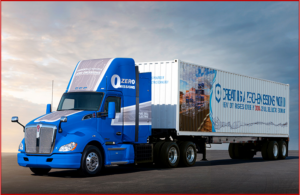
Click for more.
Daimler Truck AG (Daimler Truck), the Volvo Group (Volvo), cellcentric (sic) and Toyota Motor Corporation (Toyota) have signed a non-binding agreement to cooperate in the fuel cell system joint venture called cellcentric. The timing is propitious given the Artemis II Orion spacecraft uses hydrogen-oxygen fuel cell systems to generate electricity and potable water for the crew during its 10-day mission that is underway.*
“The three companies intend to collaborate based on an equal shareholding with Toyota as the third joint venture partner to cellcentric.** The combination of the parties’ complementary experience and know-how will support and advance their joint objective to develop, produce and commercialize fuel cell systems for heavy-duty vehicles and other heavy-duty applications with comparable requirements,” the companies said in a joint release.
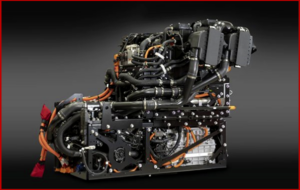
Click for more.
“Additionally, Toyota and cellcentric intend to jointly manage the development and production of fuel cell unit cells, the core component of fuel cell systems, and directly linked architecture and control elements with the aim of creating competitive products based on the technologies of both companies,” the release said.
Independent Entity. Equal Partners?
Daimler Truck, Volvo and Toyota aim for an equal shareholding in unhappily named cellcentric (sic), which will continue to operate as an independent and autonomous entity, serving a wide range of customers across heavy-duty on- and off- road transport, and heavy-duty stationary applications. To achieve this equal shareholder structure, Toyota plans to participate in a capital increase in cellcentric by investing in the company.**
“Daimler Truck, Volvo and Toyota will continue to compete independently in all other areas of their respective businesses. The collaboration brings together complementary capacities to achieve the scale and investment efficiency necessary to commercialize competitive fuel cell systems,” the release claimed. [The road of such automotive joint ventures is lettered with the wrecks of ambitious cooperative ventures. The companies are from vastly different cultures. There does not exist a GAAP measurement or adjustment for this. However, the space technology cost of fuel cells provides a strong financial incentive for congenial cooperation as the Capital markets scrutinize automakers.-AutoCrat]
“In order to secure hydrogen fuel cells as one of the key technologies to support the de-carbonisation of transport worldwide, cooperation has become increasingly necessary. Moreover, this step aims at contributing to the long-term vision of the European Green Deal objectives and the hydrogen society act in Japan. Since its early days, hydrogen has been advanced through collaboration among many stakeholders, and cooperation is the foundation for its growth. Together with like-minded partners, the parties intend to share technological developments and address common challenges, with the aim of achieving sustainable and effective implementation of fuel cell systems for heavy-duty applications.”
The signed agreement is non-binding. The parties will continue discussions and aim to reach a legally binding agreement, which will be subject to approval by all relevant parties and by the respective boards and regulatory authorities.
*AutoInformed on
**About cellcentric
The entity named cellcentric (sic) develops, produces, and commercializes fuel cell systems for use in heavy-duty commercial vehicles and other applications with comparable requirements. It – cellcentric – is a joint venture of Daimler Truck AG and the Volvo Group founded in 2021. The company leverages the know-how and extensive experience gained from decades of developing fuel cell systems by its predecessor companies. cellcentric’s goal is to become a global manufacturer and tier 1 supplier of fuel cell systems and thus make a contribution to climate-neutral and sustainable transportation. More than 560 highly qualified employees are continuously advancing cellcentric’s state-of-the-art fuel cell technology. They work in interdisciplinary teams at sites in Kirchheim/Teck, Esslingen, Stuttgart (Germany) and Burnaby (Canada). Roughly 700 individual patents underline cellcentric’s leading role in fuel cell technology development.
“We are proud that Toyota plans to join cellcentric as a shareholder. This will enable us to strengthen development and further scale hydrogen technology, which we believe complements battery-electric drives in decarbonizing transport,” said Karin Rådström, President & CEO, Daimler Truck.
“We are thrilled to explore this collaboration with Toyota, so that we through cellcentric can accelerate and create critical mass for hydrogen applications. This is an important signal to customers, suppliers, and others in the ecosystem. Given the importance of accelerating the transformation into net-zero transportation, the need of great companies coming together and collaborating is more important than ever. Welcoming Toyota onboard will be a big leap towards realizing decarbonisation of our industries,” said Martin Lundstedt, President and CEO, Volvo Group.
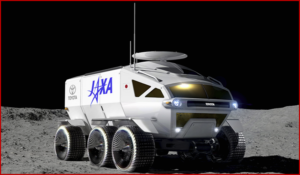
Click for more.
“We are deeply grateful for the opportunity to soon be joining Daimler Truck and Volvo Group as partners in building a hydrogen society. cellcentric which possess deep expertise in commercial fields together with Toyota’s over 30 years of fuel-cell development in the passenger car sector, can combine their strengths to deliver one of the world-leading fuel cell systems for heavy commercial vehicles. Toyota will continue to contribute to realizing a hydrogen society alongside like-minded partners,” said Koji Sato, President and CEO, Toyota.

About Ken Zino
Ken Zino, editor and publisher of AutoInformed, is a versatile auto industry participant with global experience spanning decades in print and broadcast journalism, as well as social media. He has automobile testing, marketing, public relations and communications experience. He is past president of The International Motor Press Assn, the Detroit Press Club, founding member and first President of the Automotive Press Assn. He is a member of APA, IMPA and the Midwest Automotive Press Assn.
He also brings an historical perspective while citing their contemporary relevance of the work of legendary auto writers such as Ken Purdy, Jim Dunne or Jerry Flint, or writers such as Red Smith, Mark Twain, Thomas Jefferson – all to bring perspective to a chaotic automotive universe.
Above all, decades after he first drove a car, Zino still revels in the sound of the exhaust as the throttle is blipped during a downshift and the driver’s rush that occurs when the entry, apex and exit points of a turn are smoothly and swiftly crossed. It’s the beginning of a perfect lap.
AutoInformed has an editorial philosophy that loves transportation machines of all kinds while promoting critical thinking about the future use of cars and trucks.
Zino builds AutoInformed from his background in automotive journalism starting at Hearst Publishing in New York City on Motor and MotorTech Magazines and car testing where he reviewed hundreds of vehicles in his decade-long stint as the Detroit Bureau Chief of Road & Track magazine. Zino has also worked in Europe, and Asia – now the largest automotive market in the world with China at its center.







Shared Fuel Cell Technology – Daimler Truck, Volvo, Toyota
Click for more.
Daimler Truck AG (Daimler Truck), the Volvo Group (Volvo), cellcentric (sic) and Toyota Motor Corporation (Toyota) have signed a non-binding agreement to cooperate in the fuel cell system joint venture called cellcentric. The timing is propitious given the Artemis II Orion spacecraft uses hydrogen-oxygen fuel cell systems to generate electricity and potable water for the crew during its 10-day mission that is underway.*
“The three companies intend to collaborate based on an equal shareholding with Toyota as the third joint venture partner to cellcentric.** The combination of the parties’ complementary experience and know-how will support and advance their joint objective to develop, produce and commercialize fuel cell systems for heavy-duty vehicles and other heavy-duty applications with comparable requirements,” the companies said in a joint release.
Click for more.
“Additionally, Toyota and cellcentric intend to jointly manage the development and production of fuel cell unit cells, the core component of fuel cell systems, and directly linked architecture and control elements with the aim of creating competitive products based on the technologies of both companies,” the release said.
Independent Entity. Equal Partners?
Daimler Truck, Volvo and Toyota aim for an equal shareholding in unhappily named cellcentric (sic), which will continue to operate as an independent and autonomous entity, serving a wide range of customers across heavy-duty on- and off- road transport, and heavy-duty stationary applications. To achieve this equal shareholder structure, Toyota plans to participate in a capital increase in cellcentric by investing in the company.**
“Daimler Truck, Volvo and Toyota will continue to compete independently in all other areas of their respective businesses. The collaboration brings together complementary capacities to achieve the scale and investment efficiency necessary to commercialize competitive fuel cell systems,” the release claimed. [The road of such automotive joint ventures is lettered with the wrecks of ambitious cooperative ventures. The companies are from vastly different cultures. There does not exist a GAAP measurement or adjustment for this. However, the space technology cost of fuel cells provides a strong financial incentive for congenial cooperation as the Capital markets scrutinize automakers.-AutoCrat]
“In order to secure hydrogen fuel cells as one of the key technologies to support the de-carbonisation of transport worldwide, cooperation has become increasingly necessary. Moreover, this step aims at contributing to the long-term vision of the European Green Deal objectives and the hydrogen society act in Japan. Since its early days, hydrogen has been advanced through collaboration among many stakeholders, and cooperation is the foundation for its growth. Together with like-minded partners, the parties intend to share technological developments and address common challenges, with the aim of achieving sustainable and effective implementation of fuel cell systems for heavy-duty applications.”
The signed agreement is non-binding. The parties will continue discussions and aim to reach a legally binding agreement, which will be subject to approval by all relevant parties and by the respective boards and regulatory authorities.
*AutoInformed on
**About cellcentric
The entity named cellcentric (sic) develops, produces, and commercializes fuel cell systems for use in heavy-duty commercial vehicles and other applications with comparable requirements. It – cellcentric – is a joint venture of Daimler Truck AG and the Volvo Group founded in 2021. The company leverages the know-how and extensive experience gained from decades of developing fuel cell systems by its predecessor companies. cellcentric’s goal is to become a global manufacturer and tier 1 supplier of fuel cell systems and thus make a contribution to climate-neutral and sustainable transportation. More than 560 highly qualified employees are continuously advancing cellcentric’s state-of-the-art fuel cell technology. They work in interdisciplinary teams at sites in Kirchheim/Teck, Esslingen, Stuttgart (Germany) and Burnaby (Canada). Roughly 700 individual patents underline cellcentric’s leading role in fuel cell technology development.
“We are proud that Toyota plans to join cellcentric as a shareholder. This will enable us to strengthen development and further scale hydrogen technology, which we believe complements battery-electric drives in decarbonizing transport,” said Karin Rådström, President & CEO, Daimler Truck.
“We are thrilled to explore this collaboration with Toyota, so that we through cellcentric can accelerate and create critical mass for hydrogen applications. This is an important signal to customers, suppliers, and others in the ecosystem. Given the importance of accelerating the transformation into net-zero transportation, the need of great companies coming together and collaborating is more important than ever. Welcoming Toyota onboard will be a big leap towards realizing decarbonisation of our industries,” said Martin Lundstedt, President and CEO, Volvo Group.
Click for more.
“We are deeply grateful for the opportunity to soon be joining Daimler Truck and Volvo Group as partners in building a hydrogen society. cellcentric which possess deep expertise in commercial fields together with Toyota’s over 30 years of fuel-cell development in the passenger car sector, can combine their strengths to deliver one of the world-leading fuel cell systems for heavy commercial vehicles. Toyota will continue to contribute to realizing a hydrogen society alongside like-minded partners,” said Koji Sato, President and CEO, Toyota.
About Ken Zino
Ken Zino, editor and publisher of AutoInformed, is a versatile auto industry participant with global experience spanning decades in print and broadcast journalism, as well as social media. He has automobile testing, marketing, public relations and communications experience. He is past president of The International Motor Press Assn, the Detroit Press Club, founding member and first President of the Automotive Press Assn. He is a member of APA, IMPA and the Midwest Automotive Press Assn. He also brings an historical perspective while citing their contemporary relevance of the work of legendary auto writers such as Ken Purdy, Jim Dunne or Jerry Flint, or writers such as Red Smith, Mark Twain, Thomas Jefferson – all to bring perspective to a chaotic automotive universe. Above all, decades after he first drove a car, Zino still revels in the sound of the exhaust as the throttle is blipped during a downshift and the driver’s rush that occurs when the entry, apex and exit points of a turn are smoothly and swiftly crossed. It’s the beginning of a perfect lap. AutoInformed has an editorial philosophy that loves transportation machines of all kinds while promoting critical thinking about the future use of cars and trucks. Zino builds AutoInformed from his background in automotive journalism starting at Hearst Publishing in New York City on Motor and MotorTech Magazines and car testing where he reviewed hundreds of vehicles in his decade-long stint as the Detroit Bureau Chief of Road & Track magazine. Zino has also worked in Europe, and Asia – now the largest automotive market in the world with China at its center.