Click to enlarge.
Tesla is recalling 2016 through 2023 Model S, Model X, Model 3 and Model Y vehicles that have installed or are pending installation of a software release that contains the Autosteer on City Streets feature (“Full Self-Driving Beta” or “FSD Beta”). The number of vehicles involved – 362,758 – all have a safety defect that could potentially infringe upon local traffic laws or customs while executing certain driving maneuvers (listed below) which could increase the risk of a collision if the driver does not intervene.
The recall is a result of long standing investigations at the National Highway Traffic Safety Administration about the controversial auto pilot system. Tesla, what seems to us arrogantly, did not agree with the NHTSA analysis but went ahead with the recall anyway. It is the latest pr disaster from the firm that no doubt will have social media, uh, all atwitter.
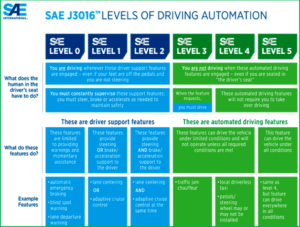
FSD Beta is an SAE Level 2 driver support feature that can provide steering and braking/acceleration support to the driver under certain operating limitations. With FSD Beta, as with all SAE Level 2 driver support features, the driver is responsible for operation of the vehicle whenever the system is engaged and must constantly supervise the feature and intervene (e.g., steer, brake or accelerate) as needed to maintain safe operation of the vehicle.
Tesla AutoSteer Risky Maneuvers
- Traveling or turning through certain intersections during a stale yellow traffic light;
- The perceived duration of the vehicle’s static position at certain intersections with a stop sign, particularly when the intersection is clear of any other road users;
- adjusting vehicle speed while traveling through certain variable speed zones, based on detected speed limit signage and/or the vehicle’s speed offset setting that is adjusted by the driver;
- negotiating a lane change out of certain turn-only lanes to continue traveling straight.
AutoInformed on
- Budget Changes EV Rental Terms. Singles out Tesla
- Loss of Steering Latest Tesla Model S, X Recalls
- Tesla Recalls 48,184 Model 3s and 1, Yes 1, Model X
- Tesla Recalls Half of 2021-22 Model Xs for Bad Airbags
- Tesla Recalls Model S for Bad Side Curtain Airbags
- Two Tesla Recalls – Self Driving Software, Seat Belt Warning
- NTSB – Fatal Texas Tesla Crash Shows Seats Were Occupied
- FBI with a Tesla Employee’s Help Stops Malware Attack
- Tesla Recalls 135,000 S and X Models for Display Blackouts
- NHTSA on Tesla Again for Bogus Safety Claims
- Center for Auto Safety, Consumer Watchdog Again Push FTC, State Attorneys General to Probe Tesla After Autopilot Death








IIHS President David Harkey on Tesla Self Driving Recall – “The partial automation systems on vehicles today require the driver to be fully engaged in the driving task at all times and retake control when necessary,” Harkey said. “Institute research shows that drivers who use partial automation on a regular basis often treat their vehicles as fully self-driving despite widespread warnings and numerous high-profile crash reports. However, none of the current systems is designed to replace a human driver or to make it safe for a driver to perform other activities that take their focus from the road.
“Fully attentive drivers could prevent their vehicles from doing the things cited in the recall. The main problems for Tesla’s system include the misleading names of ‘Full Self Driving’ and ‘Autopilot’ and the fact that it does not have adequate safeguards to ensure drivers will pay full attention to the road. IIHS has been working on the development of a new safeguard ratings program to address how well partial automation vehicles will keep drivers engaged in the driving task and will begin rating vehicles later this year.”
Tesla issued a recall notice for certain Model 3, Model S, Model X and Model Y vehicles on Feb. 15 after the National Highway Traffic Safety Administration determined that the Full Self-Driving Beta system could prompt equipped vehicles to travel straight through intersections from a left- or right-turn-only lane, fail to come to a complete stop at stop signs, exceed speed limits and go through yellow lights without appropriate caution if the driver did not intercede.
“Full Self-Driving is an optional software update that extends the functionality of Tesla’s core Autopilot partial automation system, which is intended primarily for use on highways.”