
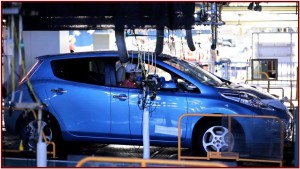
Following last year’s launch of the Chevy Volt and Nissan Leaf, there is now a need for the industry to examine the successes and failures of PEVs, organizers say.
The Center for Automotive Research is holding a timely conference – The Business of Plugging In, an electric vehicle conference – this October, which will discuss the emerging plug-in electric vehicle (PEV) against a background of contentious budget debates in Washington about subsidies for automakers, global warming disputes, emission regulations, and tax policies and budget deficits.
While the so-called plug in electric vehicle is now a reality, critics maintain that they should be called coal-powered cars since half of the electricity in the U.S. is generated by this CO2 causing fuel – the opposite of the very reason that EV fanatics say plugging in what are now expensive, taxpayer-subsidized technical curiosities should become the transportation of the future. The proposition that a battery powered car does not have any tailpipe emissions depends on how the electricity that one is plugging into is produced.
The contradiction is obvious, and as a result – the future of EVs is far from clear. Myriad questions ensue, the paramount ones being – who will be driving and plugging in these EVs, and also what will they be buying or leasing?
The opening plenary session at the Business of Plugging In conference will include those in the thick of this mess, discussing the challenges of developing new technology and communicating it to the consumer.
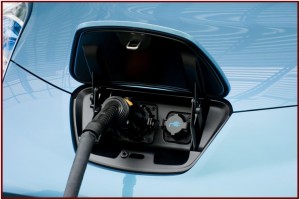
EVs remain expensive, range limited technical curiosities, whose meager sales in the U.S. are thus far propped by lavish taxpayer subsidies. Even with $7,500 or more on the hood, sales are measured in the hundreds a month.
Join the discussion at BPI on October 11 as Ken LaBerteaux, senior principal research scientist, Toyota Research Institute-North America, Tony Posawatz, vehicle line director, Chevrolet Volt, General Motors, and Mark Perry , director of product planning and strategy, Nissan North America, discuss the strengths, weaknesses and opportunities of PEV technology.
“Following last year’s launch of the Chevy Volt and Nissan Leaf, there is now a need for the industry to examine the successes and failures of PEVs and uncover what lies on the road ahead,” said Brett Smith, conference chair, Center for Automotive Research, host of the event.
Additional plenary sessions include:
- The E-Volution of Transportation – Best Buy, Verizon and Ford Motor Company speakers will focus on the new business models, partnerships, players and strategies that will be created by PEVs.
- Politics, Policy and the Electrified City – Hear from national, regional and local stakeholders as they discuss public policy strategies that will establish market opportunity for PEVs.
- Making the Case for PEVs; Now, and in the Future – This dialogue between General Motors, Ford Motor Company and SPX Service Solutions speakers will center around the current status and future prospects of PEVs, as well as the industry’s the long-term goals.
To see a complete program guide, visit http://www.bpiconference.com/agenda.
See also:
- $10,000 Solar Panel Option Coming for Focus Electric Vehicle. Ford is using the new “Green Math” to Calculate Benefits
- California High Occupancy Vehicle Lanes Closed to Hybrids. CNG, Electric Vehicles Now Picked as Winners by Government
- $5 Fuel Tipping Point for U.S. Electric Car Consideration. Consumer Expectations – Globally – at Odds with EV Realities
- Volvo Shows Electric Vehicle Range Extender – a Gas Engine!
- Hertz to Offer Rental Renault Electric Vehicles in Europe
- UK Businesses Balk at Killing of Plug-in Hybrid, EV Subsidies
- Renault Tries Humor in New Electric Vehicle Ad Campaign