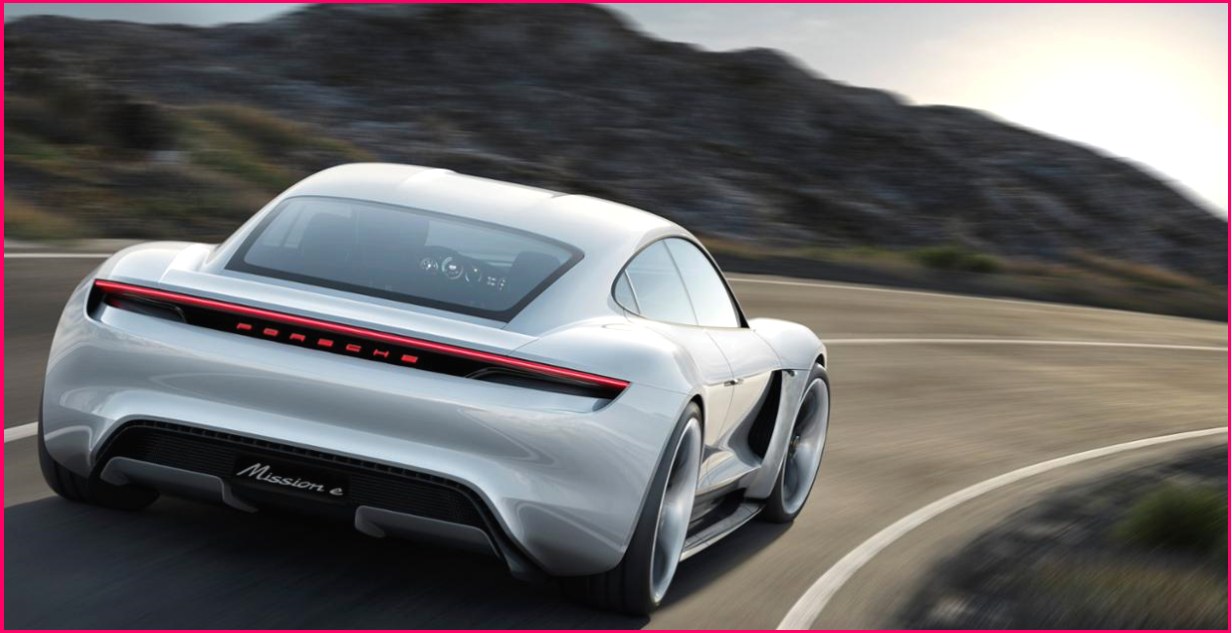
Tesla is about to have a lot of expensive and well-made competition.
In 2019, BEV sales made up around 2% of global car (and North American Light Truck) sales, according to consultancy LMC. By 2025, they project close to 8% global market share, and 15.5% in 2030. By 2030, LMC says nearly 50% of the global market will be electrified in some form. (Pick your number at current rates that could be ~+45 million vehicles annually. Global Light Vehicle Sales Slump. The Party’s Over?) In North America, the alteration is slower, reaching 7% BEV sales and 20% hybrid sales in 2030.
The validity of these projections is being debated across the auto industry, an industry whose future is now more dependent than ever on government regulations or the whims of politicians in major markets. There are big profits and big losses at stake in what could be the greatest stockholder debacle since tulip bulb speculation. We could be on the verge of a mass extinction of some, (many?) automakers and suppliers.
“Big strides are being made in electrification technology, but in general it is still very young and there are significant differences in strategy between OEMs over its development and rollout,” says Kevin Riddell, Senior Manager, Americas Powertrain at LMC.
“Only a few years ago you would hear a lot about combustion-based technologies, such as variable compression, HCCI, higher pressure injectors and improved after-treatment. While these are still being developed and improved, the headlines have shifted to how electricity is added into the powertrain and how batteries are improving.”
Riddell in essence suggests this riddle: When buying an IC car today, a larger engine is a big cost option, and for a BEV, a bigger ‘gas tank’ is a major, high-cost feature. Will this continue? Can this continue? Based on past behaviors, cost is a major inhibitor to adaption of advance technologies.
BEVs suit the needs of ultimately an unknown number of people. The criticism are well known: limited of range, poor weather capability, lack of charging infrastructure, unknown durability, the supply of lithium and recyclability.
Riddle notes that batteries now cost less than one fifth of the price per kWh than 10 years ago but remain a significant part of a plug-in electric vehicle (PEVs) cost. As a result, PEVs are still largely reliant on government forced taxpayer subsidies to sell the cars and improve the infrastructure.
In Europe, China and other markets the government is clearly demanding electrified vehicle growth, while the US so far has comparatively curbed government interference.
However, U.S. government restrictions are in the process of being eased regarding CO2 regulation, for example, the recent, contested removal of California ZEV legislation is just the beginning of a longer battle over how to deal with climate change. A battle that might be determined by the half-life of the Trump reign.
What happens if or when U.S. subsidies end? All forecasts are thereby weakened, if not nullified. What happens if ZEV legislation is reinstated or, as AutoInformed thinks likely, California finds a different path to legislate increased carbon neutral vehicle sales?
Time and sales reports will tell, but this game is not for slow, weak, politically under-connected, or under-capitalized ventures.
AutoInformed.com on:
- Amazon Selling Level 2 Electric Vehicle Home Chargers
- Mitsubishi Electric Claims Level 4 Autonomous Driving Without High Definition Maps or Auto Parking
- All-Electric Ford Mach-E ‘SUV’ Debuts in 2020
- Marketing by Regulation – Are Hybrid Electric Vans a Practical Solution for Cleaner Air in European Cities?
- Chinese BYD, Toyota Agree to Develop Battery Electric Vehicles
- Don Garlits, 87, in Swamp Rat 38 Electric Rail Tries for 200 MPH Quarter Tomorrow at Palm Beach International Raceway
- Ford Proves the Known – Electric Motors Have Torque
- Porsche Opens Zuffenhausen Factory for All-Electric Taycan
- Electric Vehicle Charging Emissions – Good and Better?
- Bentley Bentayga Hybrid Has 24-Mile Electric Range
- Porsche Taycan 4S, Macan Turbo, 99X Electric at Los Angeles
- First Electric Lexus Ever Debuts in China Today
- Rivian to Develop Lincoln’s First All-Electric Vehicle
- GMC Hummer EV – Its First All-Electric Truck
- PSA Group – Lease New Plug-In Hybrid and EVs at Free2move
- EVs ‘Normal Now’ Claims Electrify America
- EVs, Coal Plant Closings Can Cut Carbon Emissions 42%
- Attack of the High-Voltage Zombies – Electrify America And Stable Announce Robotic Fast-Charging for Autonomous EVs
- Hyundai Shows Performance Control for Commercial EVs
- VW Group Electric Shuffle – Emden, Hanover to build EVs
- Drinking the Electrolyte? Audi Plans to Sell 800K EVs in 2025
- GM Ups Ante Calls Out Other Automakers on EVs?
- FMC to Triple Lithium Hydroxide Output. Bets on EVs, Hybrids
- Mazda, Saudi Aramco, AIST Researching CO2 Reduction
- Volkswagen Admits to CO2 Emissions Problem. €2B at Risk
- California Officials Testify Against Trump’s Decree to Slash Cleaner Car Standards and Increase CO2 Emissions

About Ken Zino
Ken Zino, editor and publisher of AutoInformed, is a versatile auto industry participant with global experience spanning decades in print and broadcast journalism, as well as social media. He has automobile testing, marketing, public relations and communications experience. He is past president of The International Motor Press Assn, the Detroit Press Club, founding member and first President of the Automotive Press Assn. He is a member of APA, IMPA and the Midwest Automotive Press Assn.
He also brings an historical perspective while citing their contemporary relevance of the work of legendary auto writers such as Ken Purdy, Jim Dunne or Jerry Flint, or writers such as Red Smith, Mark Twain, Thomas Jefferson – all to bring perspective to a chaotic automotive universe.
Above all, decades after he first drove a car, Zino still revels in the sound of the exhaust as the throttle is blipped during a downshift and the driver’s rush that occurs when the entry, apex and exit points of a turn are smoothly and swiftly crossed. It’s the beginning of a perfect lap.
AutoInformed has an editorial philosophy that loves transportation machines of all kinds while promoting critical thinking about the future use of cars and trucks.
Zino builds AutoInformed from his background in automotive journalism starting at Hearst Publishing in New York City on Motor and MotorTech Magazines and car testing where he reviewed hundreds of vehicles in his decade-long stint as the Detroit Bureau Chief of Road & Track magazine. Zino has also worked in Europe, and Asia – now the largest automotive market in the world with China at its center.







Electric Vehicles – a Virus That Can’t Be Controlled?
Tesla is about to have a lot of expensive and well-made competition.
In 2019, BEV sales made up around 2% of global car (and North American Light Truck) sales, according to consultancy LMC. By 2025, they project close to 8% global market share, and 15.5% in 2030. By 2030, LMC says nearly 50% of the global market will be electrified in some form. (Pick your number at current rates that could be ~+45 million vehicles annually. Global Light Vehicle Sales Slump. The Party’s Over?) In North America, the alteration is slower, reaching 7% BEV sales and 20% hybrid sales in 2030.
The validity of these projections is being debated across the auto industry, an industry whose future is now more dependent than ever on government regulations or the whims of politicians in major markets. There are big profits and big losses at stake in what could be the greatest stockholder debacle since tulip bulb speculation. We could be on the verge of a mass extinction of some, (many?) automakers and suppliers.
“Big strides are being made in electrification technology, but in general it is still very young and there are significant differences in strategy between OEMs over its development and rollout,” says Kevin Riddell, Senior Manager, Americas Powertrain at LMC.
“Only a few years ago you would hear a lot about combustion-based technologies, such as variable compression, HCCI, higher pressure injectors and improved after-treatment. While these are still being developed and improved, the headlines have shifted to how electricity is added into the powertrain and how batteries are improving.”
Riddell in essence suggests this riddle: When buying an IC car today, a larger engine is a big cost option, and for a BEV, a bigger ‘gas tank’ is a major, high-cost feature. Will this continue? Can this continue? Based on past behaviors, cost is a major inhibitor to adaption of advance technologies.
BEVs suit the needs of ultimately an unknown number of people. The criticism are well known: limited of range, poor weather capability, lack of charging infrastructure, unknown durability, the supply of lithium and recyclability.
Riddle notes that batteries now cost less than one fifth of the price per kWh than 10 years ago but remain a significant part of a plug-in electric vehicle (PEVs) cost. As a result, PEVs are still largely reliant on government forced taxpayer subsidies to sell the cars and improve the infrastructure.
In Europe, China and other markets the government is clearly demanding electrified vehicle growth, while the US so far has comparatively curbed government interference.
However, U.S. government restrictions are in the process of being eased regarding CO2 regulation, for example, the recent, contested removal of California ZEV legislation is just the beginning of a longer battle over how to deal with climate change. A battle that might be determined by the half-life of the Trump reign.
What happens if or when U.S. subsidies end? All forecasts are thereby weakened, if not nullified. What happens if ZEV legislation is reinstated or, as AutoInformed thinks likely, California finds a different path to legislate increased carbon neutral vehicle sales?
Time and sales reports will tell, but this game is not for slow, weak, politically under-connected, or under-capitalized ventures.
AutoInformed.com on:
About Ken Zino
Ken Zino, editor and publisher of AutoInformed, is a versatile auto industry participant with global experience spanning decades in print and broadcast journalism, as well as social media. He has automobile testing, marketing, public relations and communications experience. He is past president of The International Motor Press Assn, the Detroit Press Club, founding member and first President of the Automotive Press Assn. He is a member of APA, IMPA and the Midwest Automotive Press Assn. He also brings an historical perspective while citing their contemporary relevance of the work of legendary auto writers such as Ken Purdy, Jim Dunne or Jerry Flint, or writers such as Red Smith, Mark Twain, Thomas Jefferson – all to bring perspective to a chaotic automotive universe. Above all, decades after he first drove a car, Zino still revels in the sound of the exhaust as the throttle is blipped during a downshift and the driver’s rush that occurs when the entry, apex and exit points of a turn are smoothly and swiftly crossed. It’s the beginning of a perfect lap. AutoInformed has an editorial philosophy that loves transportation machines of all kinds while promoting critical thinking about the future use of cars and trucks. Zino builds AutoInformed from his background in automotive journalism starting at Hearst Publishing in New York City on Motor and MotorTech Magazines and car testing where he reviewed hundreds of vehicles in his decade-long stint as the Detroit Bureau Chief of Road & Track magazine. Zino has also worked in Europe, and Asia – now the largest automotive market in the world with China at its center.