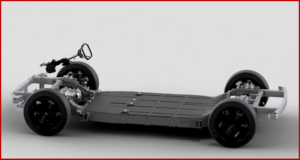
The bare-bones chassis from a bare bones startup with big ideas to flesh out.
EV startup Zoom said today that pre-orders are now open for purchases of its so-called Lifestyle van and Pickup Truck. Starting today, the Lifestyle vehicle, MPDV and pickup truck can be reserved in the United States with a $100 deposit per vehicle at www.canoo.com. The Lifestyle Vehicle will be the first vehicle to market late in 2022, it’s promised, and has targeted pricing starting from $34,750 -$49,950i for Delivery, Base and Premium models, before incentives, or optional equipment. Range topping Adventure trim pricing will be announced in the coming months. Deliveries for the Pickup truck and scaled production for MPDV are scheduled to begin “as early as 2023.” (First Look – Canoo EV Pickup Truck)
It’s not coincidental that Zoom is scheduled to announce its Q1 financial results after the New York markets close. The larger story, perhaps, is the company, not the vehicle. Canoo is a Los Angeles-based company that has, arguably, pioneering technologies. Its business model drops traditional ownership and is a glimpse at the future of automobility that other companies are also pursuing. Canoo will not have a physical sales network. The company will offer its product directly to customers via subscription, not ownership. Continue reading →







Ford to Up Electrification Spend to $30B by 2025. Wants 40% All-Electric Global Volume By 2030
Ford’s latest attempt at platform commonality. Click to Enlarge.*
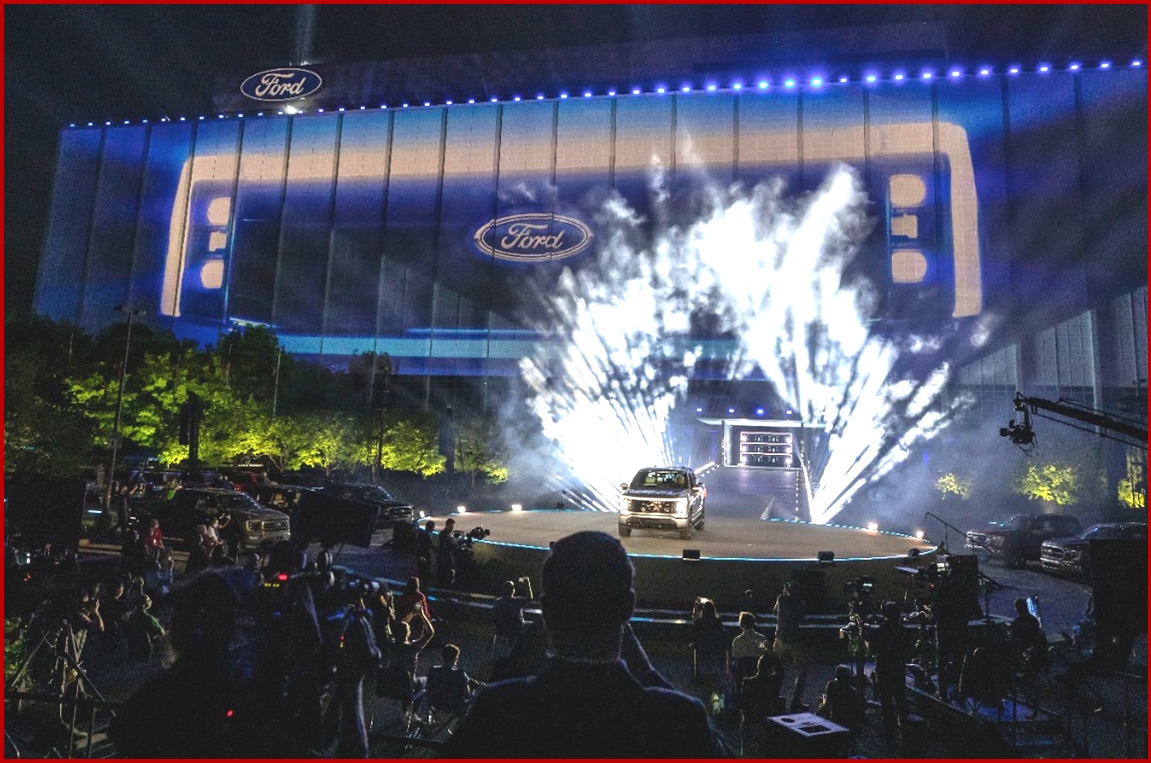
Ford Motor finally embraced conventional industry wisdom today – the future is electronic and digital – at an event for investors hyped as “Delivering Ford+.” It also attempted to counter the widespread opinion that it is behind the industry in its move toward electrification. (GM Doubles Down on EVs in Bid to Win Global Race, Volvo to Only Sell EVs Online as a Pure EV Company by 2030, Toyota, Subaru at Shanghai Introduce Latest Joint-Venture EVs)
Ford claims it is breaking away from a “transactional, build-and-sell business model” that it has used for decades. Instead, Ford+ is characterized by “close, enduring customer relationships – enabled by the company’s foundational strengths, improving financial performance, and capabilities and investments in disruptive technologies.”
Well, one wild card is the great unknown about the future of internal combustion engines that Ford is heavily dependent on. Will the change to EVs mean big write offs or mark downs of the value of existing plants, tooling and the elimination of jobs? Another potentially negative is Ford’s dismal record of introducing and then incurring huge warranty costs of complex vehicles with electronics. It has cost stockholders billions of dollars. Fixing these huge warranty costs is potentially worth $1-$2 billion annually given recent history. Continue reading →