
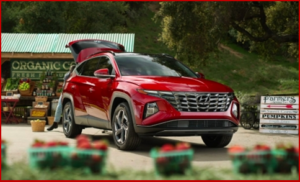
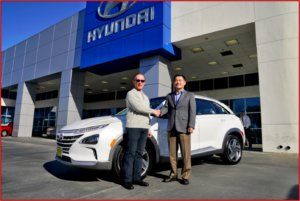
A pleasant up to date SUV in a crowded segment. Click to Enlarge.
Will the last passenger car maker please turn out the lights when exiting? That’s the way things are heading industry-wide as the 2022 Hyundai Tucson motors into a marketplace overwhelmed by SUVs and trucks. Hyundai Motor America’s total March SUV sales were up 133% compared with March 2020. Hyundai’s 2021 first quarter SUV sales are up 41% year over year. SUVs now represent 67% of total Hyundai vehicle sales. Easy to understand why Hyundai plans twelve new and “significantly enhanced” SUVs through calendar year 2021.
The most notable thing about the latest Tucson is that a sub-compact albeit long-wheelbase version was developed for the U.S. and Canadian markets to meet buyer demand for bigger vehicles. Tucson now offers a 2.5-liter, direct-injected and multi-port-injected gasoline engine as well as a 1.6-liter, direct-injected, turbocharged hybrid and plug-in hybrid powertrains. Continue reading


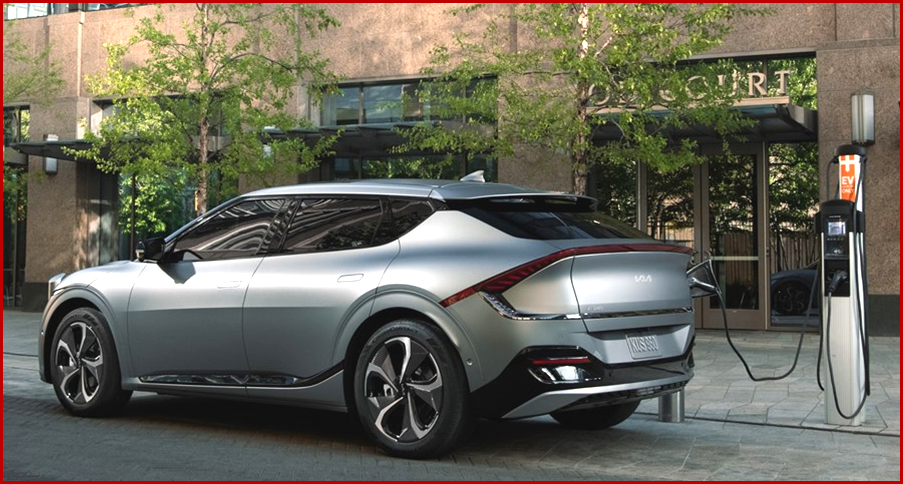


California Mandates Zero-Emissions Ridesharing Vehicles
This is also consistent with public commitments that ridesharing companies have made. Now, they will actually have to solve the problem.
The California Air Resources Board has mandated that rideshare companies begin electrification of their fleets starting in 2023. This is the latest step in California’s longstanding – pre- and post-Trump – quest of meeting what are now the state’s 2030 climate goal of cutting greenhouse gas (GHG) emissions 40% below 1990 levels and achieving carbon neutrality by 2045. This aids implementation of Governor Newsom’s Zero Emission Vehicle Executive Order (N-79-20) , aka the state’s air quality goals.
The transportation sector accounts for almost 50% of GHG emissions in California and is responsible for the majority of the state’s air pollution. Though rideshare vehicles are a relatively small portion of California’s vehicle fleet, they often travel many miles beyond the average of other vehicles, so electrifying them can provide significant environmental benefits. Continue reading →