
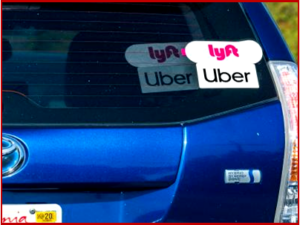
This is also consistent with public commitments that ridesharing companies have made. Now, they will actually have to solve the problem.
The California Air Resources Board has mandated that rideshare companies begin electrification of their fleets starting in 2023. This is the latest step in California’s longstanding – pre- and post-Trump – quest of meeting what are now the state’s 2030 climate goal of cutting greenhouse gas (GHG) emissions 40% below 1990 levels and achieving carbon neutrality by 2045. This aids implementation of Governor Newsom’s Zero Emission Vehicle Executive Order (N-79-20) , aka the state’s air quality goals.
The transportation sector accounts for almost 50% of GHG emissions in California and is responsible for the majority of the state’s air pollution. Though rideshare vehicles are a relatively small portion of California’s vehicle fleet, they often travel many miles beyond the average of other vehicles, so electrifying them can provide significant environmental benefits. Continue reading


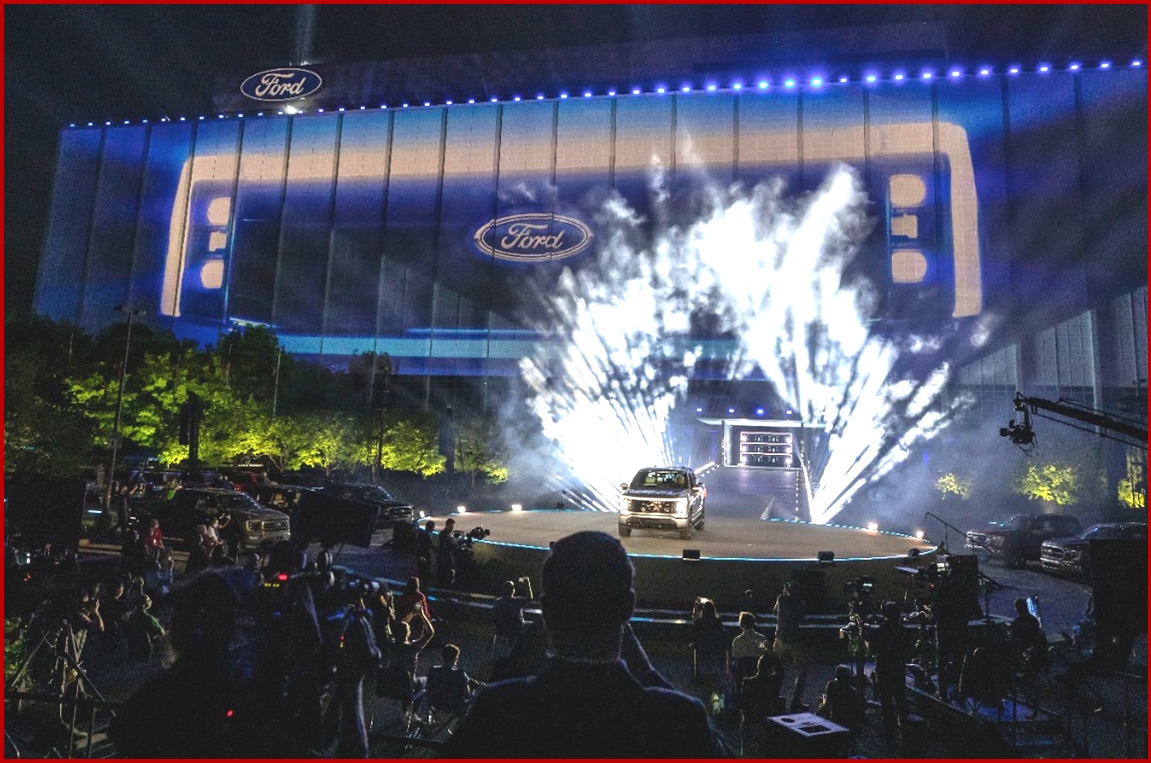



Ford Introduces All-Electric F-150 Lightning Pro – Bring Money
Ford is the only automaker, thus far, to offer an 80-amp charge station as standard equipment with the so-called extended-range truck. It uses the only dual onboard charging system in the industry to cut the 15%-to-100% charge time to roughly eight hours for the hoped-for EPA-estimated 300-mile-range. This might help “reduce charging infrastructure investments and battery wear,” but this is Ford speculating about what remains a core issue with EVs – the ability to charge them and America’s outdated grid and infrastructure that the Republicans refuse to cooperate with job-creating Democrats to update. Continue reading →