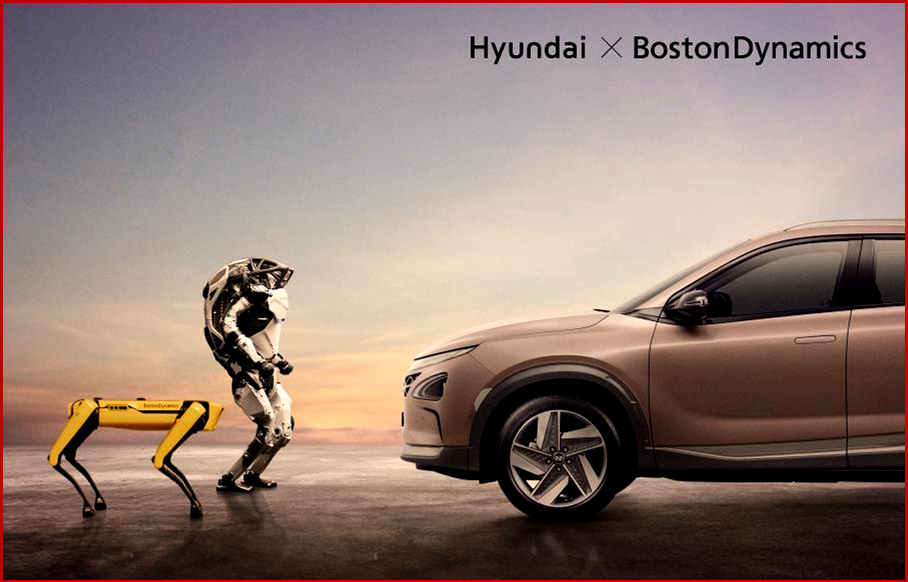
Boston Dynamics develops and deploys highly mobile robots with advanced mobility, dexterity and intelligence, enabling automation in unstructured or hard-to-traverse spaces, from industrial plants and construction sites, to distribution centers and warehouses.
Hyundai Motor Group, Boston Dynamics, Inc. and SoftBank Group Corp. (TOKYO: 9984) announced today the completion of the Group’s acquisition of a controlling interest in Boston Dynamics from SoftBank, following regulatory approvals and other customary closing conditions. The deal valued the mobile robot firm at $1.1 billion. Additional financial details were not disclosed. Now, the Group holds an 80% stake in Boston Dynamics. SoftBank, through one of its affiliates, retains the remaining 20% share.
“By acquiring Boston Dynamics and securing a leading presence in the field of robotics, the Group takes another major step toward its strategic transformation into a Smart Mobility Solution Provider. To propel this transformation, the Group has invested substantially in the development of future technologies, including autonomous driving, artificial intelligence (AI), Urban Air Mobility (UAM), smart factories and robots,” said Hyundai Motor Group in a release. Continue reading →





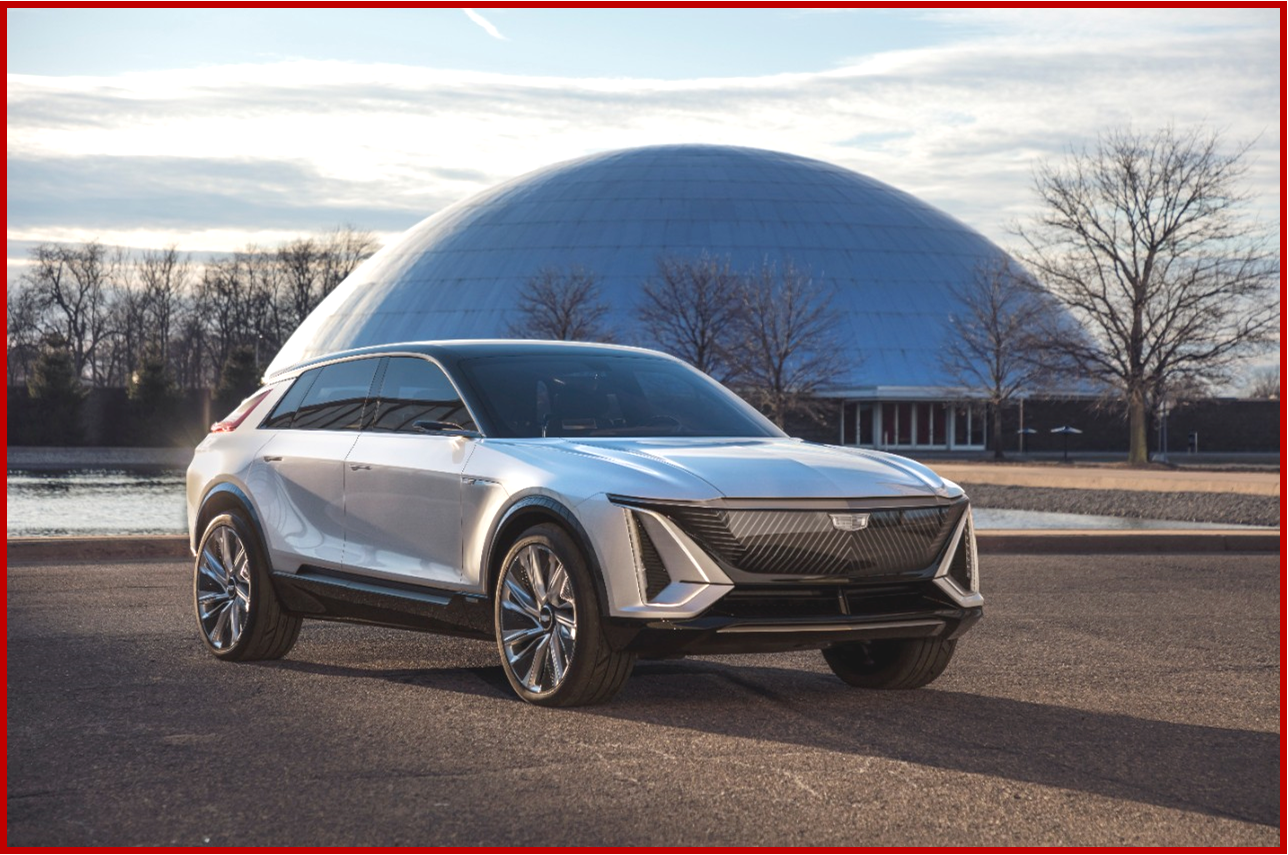
EU Parliament Confirms Deal on Climate Neutrality by 2050
Parliament endorsed the Climate Law, agreed unofficially with member states in April, with 442 votes to 203 and 51 abstentions. When approved by the Council – bet on it – the EU organization representing the member states, the regulation will become a law 20 days later.
This transforms the European Green Deal’s political commitment to EU climate neutrality by 2050 into a binding obligation. It gives European citizens and businesses the legal certainty and predictability they need to plan for this transition. After 2050, the EU will aim for negative emissions. Parliament has played a significant role in pushing for more ambitious EU climate legislation and declared a climate emergency on 28 November 2019. Phasing out gas-powered vehicles and eliminating the use of oil, coal and natural gas are among measures that a new report from the International Energy Association says will be needed to reach net-zero carbon dioxide emissions globally by 2050. Continue reading →