
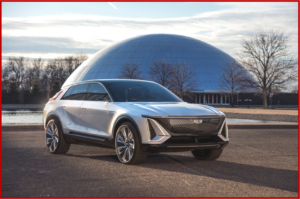
The Cadillac Lyric EV was just the latest step of many in remaking GM into a force against Global Warming and fossil fuel use.
General Motors (NYSE:GM) says it will have an all-electric future with the elimination of tailpipe emissions from new light-duty vehicles by 2035. It is the most sweeping endorsement thus far by an international automotive powerhouse that climate change and global warming need to be addressed as the serious crisis they are. Nissan announced a similar initiative just before GM. (Nissan Establishes Carbon Neutral Goal for 2050) It is also a GM retreat from opposing President Obama era fuel economy regulations that would have resulted in 50 mpg vehicles that the anti-environment Trump Administration eviscerated. (President Obama Unveils 54.5 MPG Fuel Economy Regulation for 2017-25. It will Alter Vehicle Choices and Increase Costs, President Obama to Announce First Fuel Economy Regulations for Heavy Trucks, Buses. $50 Billion in Fuel Savings Claimed, US DOT and EPA Want to Slash Fuel Economy Standards. Trump Administration Proposal Has Many Critics)
More than half of GM’s capital spending and product development team will be devoted to electric and electric-autonomous vehicle programs. And in the coming years, GM plans to offer an EV for every customer, from crossovers and SUVs to trucks and sedans. This neatly coincides with President Biden’s executive orders dealing with climate change and converting federal fleets to EVs. The success of the initiative will depend on the voters, err buyers, who will ultimately decide. Continue reading


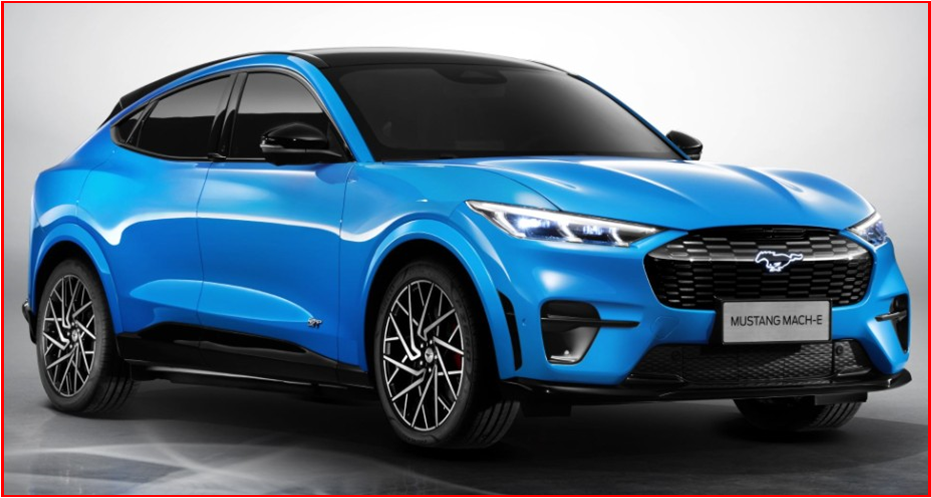

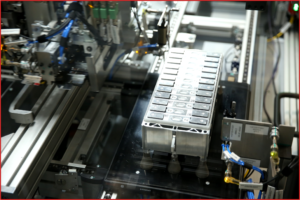
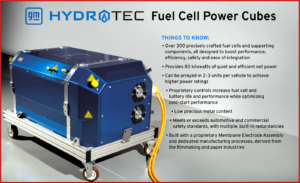





Volkswagen Group Starts Small Scale EV Battery Recycling
The recycling process does not require energy-intensive melting in a blast furnace.
Volkswagen Group Components opened its first plant for recycling electric car batteries in Salzgitter, Germany yesterday. The pilot plant aspires to mass-produce recovery of valuable raw materials such as lithium, nickel, manganese and cobalt in a closed loop together with aluminum, copper and plastics, achieving a recycling rate of more than 90% over the long term. (Honda to Recycle Rare Earth Metals from Nickel-Metal Hydride Batteries in World’s First Mass Production Process)
Salzgitter only recycles batteries that can no longer be used for other purposes. Before the battery is recycled, an analysis determines whether the battery is still powerful enough to be given a second life in mobile energy storage systems such as the flexible rapid charging station or the mobile charging robot. Larger volumes of battery returns are not expected until the late 2020s at the earliest. Continue reading →