
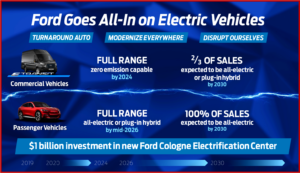
Two clear trends – SUV mania and electrification.
BMW Manufacturing led the nation in automotive exports by value for the seventh consecutive year, according to data released by the U.S. Department of Commerce. BMW Manufacturing exported 218,820 Sports Activity Vehicles and Coupes during 2020 with an export value of more than $8.9 billion. The BMWs produced in Spartanburg, South Carolina, were exported through the Port of Charleston, SC (more than 189,000 units), and through five other southeastern ports: Savannah, GA; Brunswick, GA; Jacksonville, FL; Miami, FL; and Everglades, FL. More than 13,000 BMWs were also exported via rail. The top five export countries from BMW Manufacturing were China (23.3% of export volume), Germany (12.9%), South Korea (7.8%), Canada (6%), and Russia (5.3%). (AutoInformed on BMW Manufacturing Largest US Auto Exporter Again, Largest US Auto Exporter – BMW Manufacturing, China – Future Export Base for Global Markets?)
Spartanburg experienced a production interruption due to the coronavirus pandemic. After a five-week non-production period, associates returned for one shift on May 4. With new health guidelines and procedures in place, production slowly ramped up as the supply chain stabilized and customers returned in the summer. During the last six months of the year, Plant Spartanburg produced nearly 218,000 BMWs, a record for any six-month period in the factory’s history. The plant produced 361,365 vehicles for the entire year 2020. Continue reading →








Groupe Renault and Faurecia to Work on Hydrogen Storage
Starting at the end of 2021, Faurecia will supply hydrogen storage systems for a fleet of light commercial vehicles for Groupe Renault. These systems will be developed and produced at its global center of expertise in Bavans, France. As volumes, increase production will be extended to a new plant dedicated to hydrogen storage systems that Faurecia is building in Allenjoie, France.
Hydrogen, of course, is central to an ongoing energy transition toward zero-emissions mobility. Fuel cell electric vehicle technology will be significant in the powertrain and vehicle mix by 2030 promoted or demanded by government regulations, taxpayer subsidies and the growing realization that Global Warming is a significant health and economic threat. Continue reading →