Ford Motor Company (NYSE: F) said in Dearborn today that it is the No. 1 US automaker on the basis of vehicles assembled1, hourly autoworkers employed in America and vehicles exported from America to other countries3, according to 2022 data from S&P Global Mobility. Overall, nearly 80% of the vehicles Ford sells in the US are assembled in the US.2 The export number of 260,000, and perhaps others, could be subject to discussion and nuance. For almost a decade BMW Manufacturing, Spartanburg, has led the US-made exported category. The latest data released in February show BMW led the nation in automotive exports by value, according to the US Department of Commerce. The South Carolina plant exported 227,029 BMW Sports Activity Vehicles and Coupes during 2022 with an export value of ~$9.6 billion. (autoinformed.com on:BMW Manufacturing is Largest US Automotive Exporter)
“Ford has bet on American workers, including the UAW, more than any other automaker. This commitment combined with great product and innovation, has earned us the loyalty of customers and returned Ford to America’s best-selling brand so far this year. We could make different decisions, as many others have done to reduce costs, but Ford is different. We will find ways to be lean and competitive while investing in our home market,” claimed Jim Farley, Ford president and CEO. This is, of course, a UAW contract negotiation year starting this summer with many recent Ford jobs going to Southern states hostile to unions.
Continue reading →






US EPA – 2021 Greenhouse Gas Emissions Up
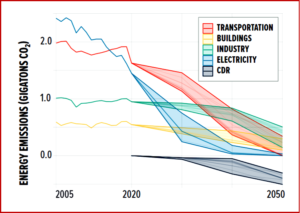
The US Environmental Protection Agency (EPA) today released its 30th annual Inventory of U.S. Greenhouse Gas Emissions and Sinks (GHG Inventory). It shows net U.S. greenhouse gas emissions were 5586 million metric tons of carbon dioxide equivalent in 2021, a 6% increase in emissions from 2020. EPA said the increase in planet killing gases is “largely due to a rebound in economic activity following the height of the coronavirus (COVID-19) pandemic.” (autoinformed.com on: US Recovering from Covid. Greenhouse Gasses a Problem; President Biden at COP 27 Pledges US Leadership on Solving the Climate Crisis)
EPA also claimed that emissions have declined overall since 2005 (17%), which in its view reflects the combined impacts of several factors, including energy market trends, technological changes including energy efficiency improvements, and the carbon intensity of energy fuel choices. In this latest release, EPA has made several changes, including updates to estimates for oil and gas and for flooded lands such as hydroelectric and agricultural reservoirs. Continue reading →