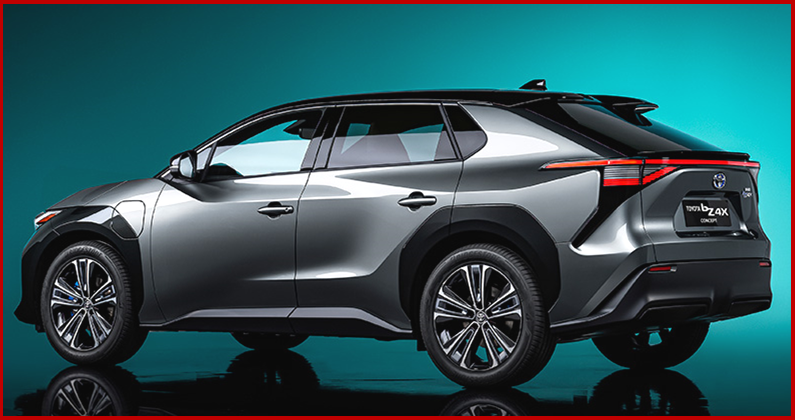
As it stands now, Toyota plans to expand to around 70 electrified models globally by 2025.
In the growing partnership between Toyota and Subaru to become carbon-neutral to ameliorate the devastating effects of global climate change, the companies used Auto Shanghai, a motor show held in Shanghai, China, to introduce their latest jointly developed electric vehicle – the bZ4X. The Toyota bZ4X Concept, is the first of a global series of battery-electric vehicles to be introduced under the “Toyota bZ” brand umbrella. Other partners in the green juggernaut under full sail include BYD, Daihatsu and Suzuki. Toyota plans to introduce 15 BEV models by 2025, including seven new BEV models of the Toyota bZ series. (Japan Inc: Toyota and Hino to Pioneer Light-Duty Fuel Cell Electric Trucks with Seven-Eleven, FamilyMart, and Lawson)
Toyota plans to produce the Toyota bZ4X in Japan and China, with worldwide sales of the model by the middle of 2022. U.S. product details eventually will emerge, but the product lines were under development with during the previously failed administration, currently ensconced in exile at Mira-lardo, that was hostile to globalization and started a losing trade war with China, the world’s largest auto market. Some delays were inevitable. The Toyota US lineup that, in total, accounts for more than 40% of all alternative powertrain vehicles sold in the U.S. – including battery electric, hydrogen fuel cell electrics, hybrids and plug-in hybrids. Continue reading →
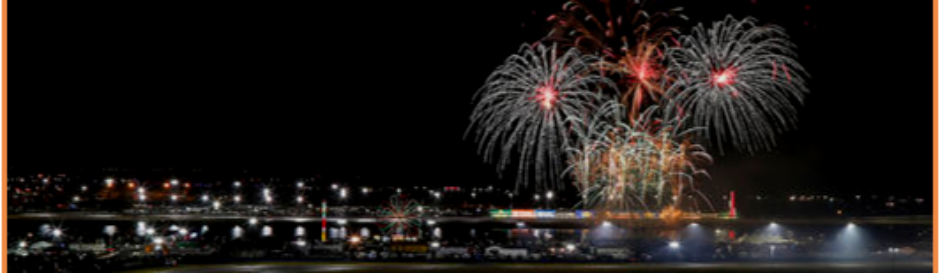


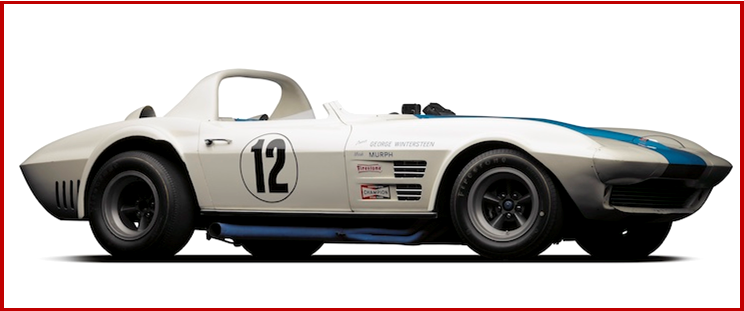 The Philadelphia Concours d’Elegance show in the City of Brotherly Love returns on 17 July 2021 to celebrate Corvette – “America’s Sports Car.” Last year’s two-day event was cancelled due to the pandemic and this fourth “annual” event has been rescheduled as a one-day program. All current State guidelines for pandemic restrictions will be in place to ensure the safety of all participants and attendees.

FBI with a Tesla Employee’s Help Stops Malware Attack
Cyber Security remains problematic in the auto industry as it electrifies.
Egor Igorevich Kriuchkov plead guilty to offering a Tesla employee $1 million to inject malware into the company’s battery plant in Nevada, according to Upstream Security*. The Tesla employee informed the company and cooperated with the FBI who stopped the plot at its inception.
Kriuchkov planned to cripple Tesla’s electric battery plant in Nevada with ransomware and steal company secrets for extortion. Furthermore, it was alleged that Kriuchkov acted on behalf of co-conspirators abroad and attempted to use face-to-face bribery to recruit the insider. The goal of the insider was to physically plant a ransomware which scrambles data on targeted networks and can only be unlocked with a software key provided by the attackers. Continue reading →