
 Suzuki Motor, Subaru, Daihatsu, Toyota Motor and Mazda Motor announced this morning an agreement to jointly develop technical specifications for next-generation vehicle communications devices. The Japanese companies – led and dominated by Toyota – said they want “to promote the common use of communications systems, by using connected services to link automobiles and society with the aim of creating new appeal, value and services, to be standardized for early provision of safer and more convenient connected services.”
Within the field of CASE (connected, autonomous/automated, shared, and electric), which is bringing about major alterations in the auto industry, advances are being made in the connected domain. These include the communications and data aspects of technology and business such as cloud services, IoT, big data, and AI. These are the basic functions of the connected car. Regulators thus far appear to be oblivious to the anti-trust and monopoly or cartel implications of such consolidations and their possible negative effects on customer pricing. The industry views connected cars as a major new source of revenue. Therefore, more is better. Continue reading


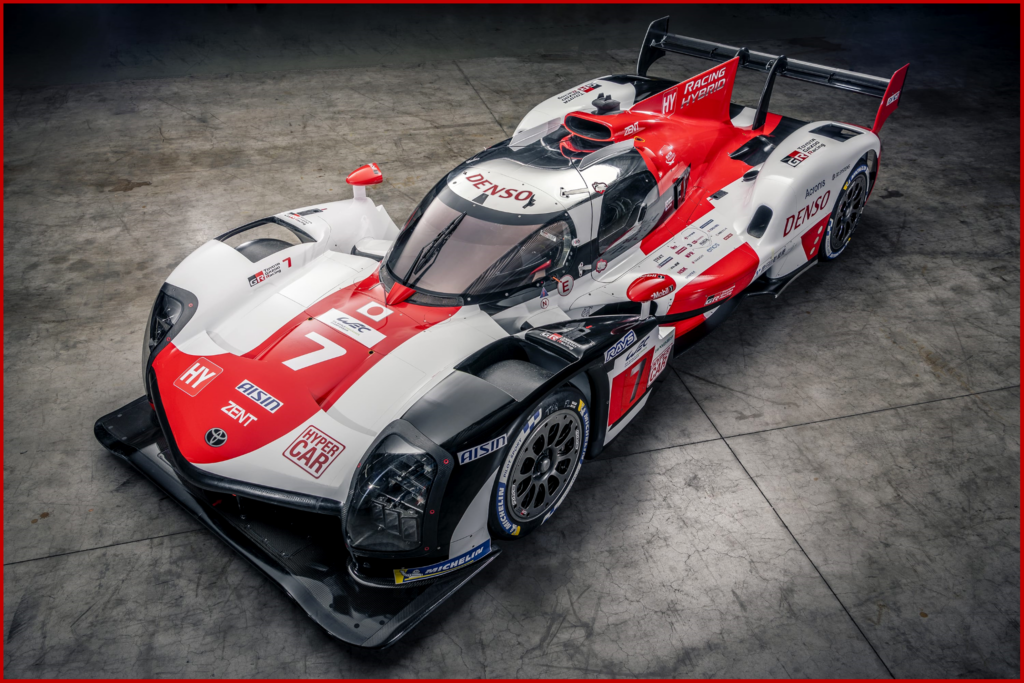 Toyota Gazoo Racing will begin a new era with its GR010 Hybrid Hypercar when the road to the Le Mans 24 Hours opens at the 6 Hours of Spa-Francorchamps in Belgium. This opening round of the 2021 FIA World Endurance Championship (WEC) on 1 May is a successor to the Group C period of the 1980s and 1990s, and the subsequent the LMP1 era that has now reached its conclusion. The new top category of endurance racing is the Le Mans Hypercar generation.

Ford Ion Park – New Global Battery R&D Site in Michigan
Dane Hardware, Ford Motor design and release engineer, and Mary Fredrick, Ford battery validation engineer, measure the voltage of a battery using a digital multi-meter at Ford’s Battery Benchmarking and Test Laboratory in Allen Park MI.
Ford Motor today announced a new global battery “center of excellence “ called Ford Ion Park in southeast MI. It is supposed to accelerate research and development of battery and battery cell technology, including future battery manufacturing – areas where Ford is lagging behind other automakers, notably General Motors in the US and global makers such as BMW, Nissan, Toyota and Honda. Continue reading →