
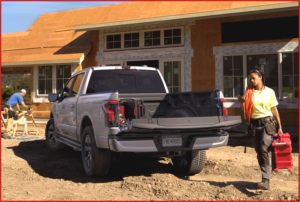
Researchers found that switching an internal-combustion-engine vehicle to a BEV results in greater total tonnage of emissions reductions as the vehicle size increases, due to the greater fuel consumption of larger vehicles.
University of Michigan and Ford Motor Company researchers in a new study that evaluated the savings in greenhouse gas emissions between electric and gasoline-powered vehicles say light-duty, battery-electric vehicles have ~64% lower cradle-to-grave life cycle greenhouse gas emissions than internal-combustion-engine vehicles on average across the United States.
“This is an important study to inform and encourage climate action. Our research clearly shows substantial greenhouse gas emission reductions that can be achieved from transitioning to electrified powertrains across all vehicle classes,” said study senior author Greg Keoleian, a professor at the U-M School for Environment and Sustainability and director of the U-M Center for Sustainable Systems. Continue reading




EV Battery Gold Rush – GM, POSCO Chemical JV Expansion
Construction begins immediately.
In the latest confirmation that the complicated electric vehicle transformation of the global auto business will be ruled by companies that figure out how to inexpensively make batteries, today General Motors (NYSE: GM) and POSCO Chemical* announced that they are working with the governments of Canada and Quebec to build a new facility in Bécancour, Quebec, estimated at $400 million (C$500 million).
The new plant will produce cathode active material (CAM) for GM’s Ultium batteries, which will power electric vehicles such as the Chevrolet Silverado EV, GMC HUMMER EV and Cadillac LYRIQ. AutoInformed readers might remember that the companies previously announced plans to form a CAM processing joint venture in December 2021, majority owned by POSCO Chemical.
Putin’s war on Ukraine has heightened the focus on an automotive supply chain rife with totalitarian countries such as China and its EV plans, which is arguably the biggest risk to automakers operating or buying components there. Continue reading →