
Click for more information.
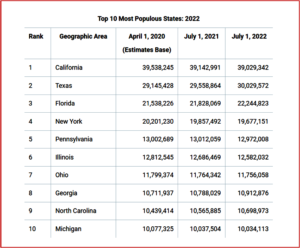
The US resident population increased by 0.4%, or 1,256,003, to 333,287,557 in 2022, according to the US Census Bureau’s “Vintage 2022 national and state population estimates” and components of change released today.*
Eventually the shifts in population will have effects on the automobile and transportation businesses as the economy evolves toward a sustainable future and the adoption of EVs, construction equipment, railroads and airplanes with non-fossil fuels, which local politicians will either support or sabotage. As the nation ages, there are also other mobility questions. Continue reading



Bah Humbug! SEMA on Congressional Inaction on Racing Parts
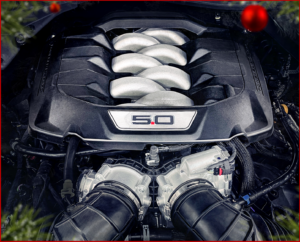
“Negotiators in Congress didn’t reach an agreement on language that balanced the need for federal law to protect racers and motorsports parts businesses from EPA enforcement with reasonable measures to ensure that race parts are not used on vehicles driven on roads and public highways,” SEMA said in a statement yesterday just before the Congressional holiday shut down.
SEMA was referring to the “Recognizing the Protection of Motorsports Act” (RPM)* that has hobbled around congress for three years staring with the 114th Congress, including the 2021–2022 session of Congress. The Senate Environment & Public Works (EPW) Committee and the House Energy & Commerce Committee were involved in the bill, but members weren’t able to get it out of the House or Senate committees for lack of, well, horsepower. Perhaps the bills sponsors, who were overwhelming Republican (102 Rs, 30 Ds), were part of the problem. The Republicans aren’t known for their environmental policies, but rather the opposite as Global Warming repudiators often backed by the fossil fuel industry and perennial opponents to fuel economy or clean air regulations. Continue reading →