
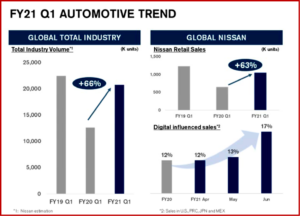
Click to Enlarge.
Nissan Motor Co., Ltd. has announced decent financial results for the three months ended June 30, 2021. In a filing with the Tokyo Stock exchange it also increased its full-year profit outlook for fiscal year 2021.
For the first quarter of the Japanese fiscal year, consolidated net revenue was ¥2.008 trillion, consolidated operating profit was ¥75.7 billion, and the operating profit margin was 3.8%. The net income1 in the first quarter was ¥114.5 billion.
During the first three months of the fiscal year, Nissan unit sales increased sharply as the industry rebounded from the pandemic disruption of 2020. Both total industry volumes and global Nissan retail sales increased by more than 60% with keeping pace with the industry volumes. Nissan’s digitally influenced sales have further increased in quarter one. Continue reading


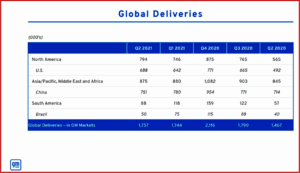
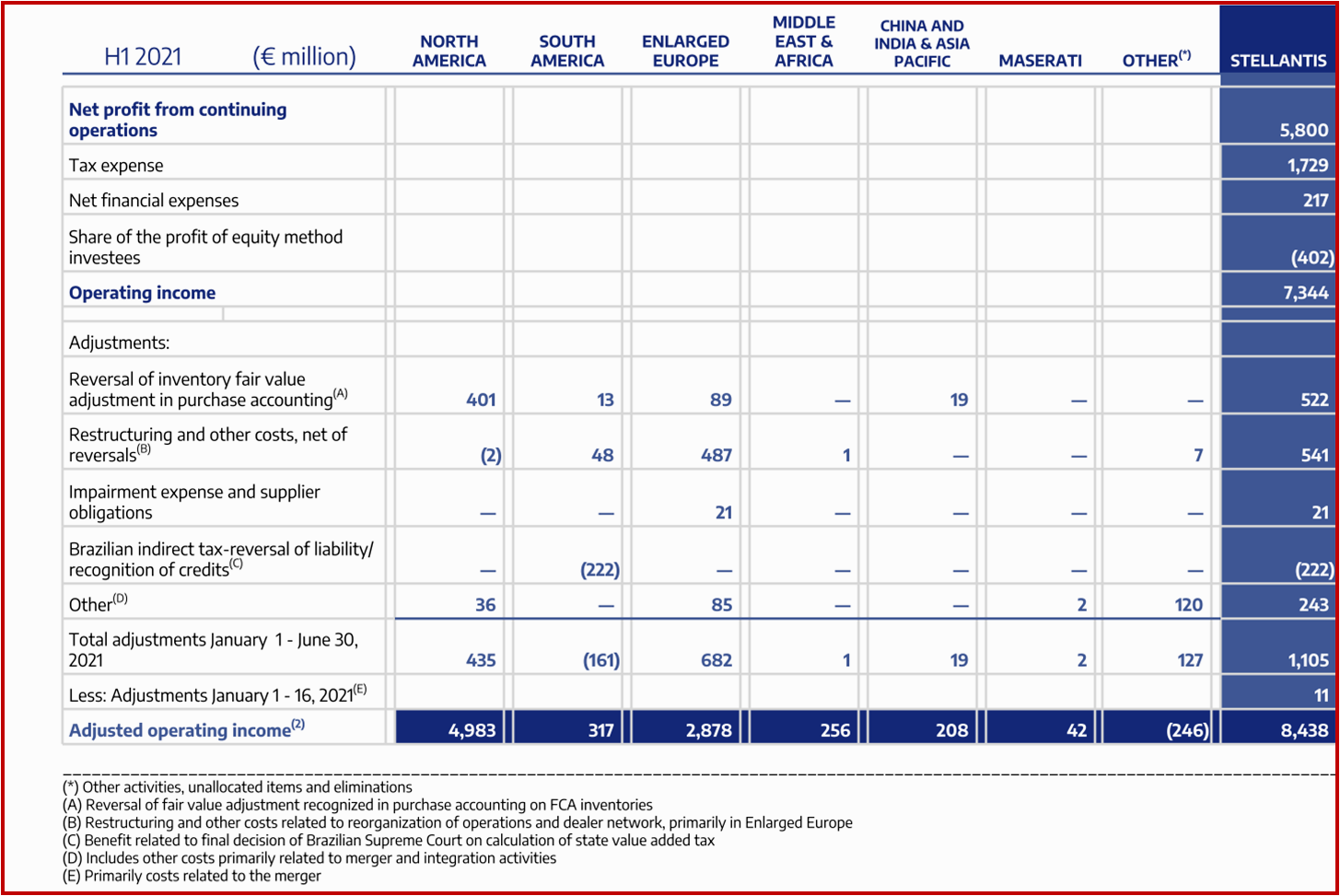




President Biden Targets 50% Electric Vehicle Sales in 2030
Click for more.
President Biden will sign an Executive Order that sets an aggressive new target to make half of all new vehicles sold in 2030 zero-emissions vehicles, including battery electric, plug-in hybrid electric, or fuel cell electric vehicles, the White House said this morning. The Executive Order also starts the development of long-term fuel efficiency and emissions standards to save consumers money, cut pollution, boost public health, advance environmental justice, and tackle the climate crisis.
The weak points in the plan is allowing for hybrids, and worse plug-in hybrids, which have laughable range running as an EV. However this is a politically needed SOP for most automakers that have been slow to embrace pure EVS. This is industrial policy on a grand scale that proponents argue is needed to survive in the global economy. Less than 4% new vehicles sold in the U.S. during June were electric or plug-in hybrids. This puts the Republicans in a tough spot. Helping Big Business – in effect tax cuts for the rich – is their highly selective policy. But creating middle class jobs while acknowledging Global Warming and setting policy that benefits all of “we the people” is counter to their failed attempts at governing for the selective few.
Continue reading →