
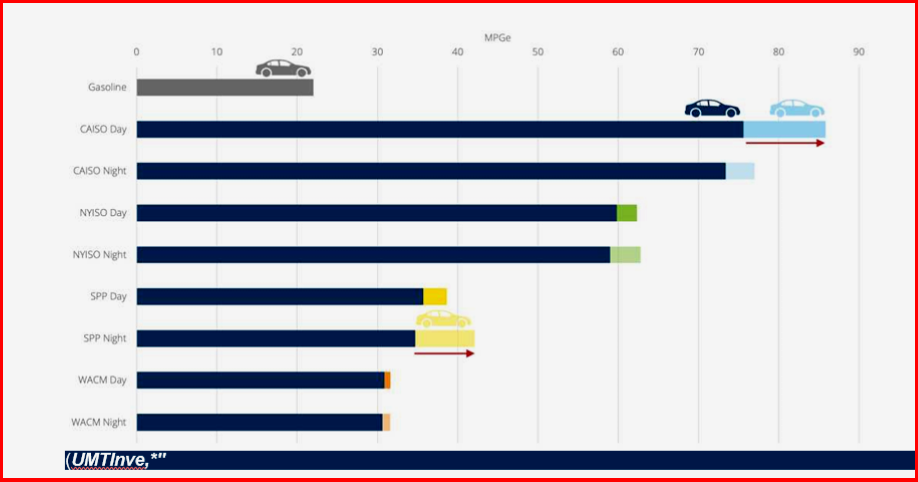
Click to Enlarge. See text for electric power utilities studied in chart.
It’s a simple problem with potentially complex answers and political sub-problems. If EVs are the future of automobility because they pollute less than internal combustion cars, how much do they pollute when recharging? A new report from WattTime* explores the question and offers Automated Emissions Reduction software as a solution. It is in AutoInformed’s view a closely reasoned – albeit self-interested – argument that is devoid of the usual hype, omissions and prevarications of many EV producers and actors.
The number of electric vehicles (EVS) on U.S. roadways allegedly will grow from 1 million in 2018 to nearly 19 million in 2030. In tandem, electric vehicle charging points are also expected to increase, including nearly 10 million level 2 charging stations distributed across homes, offices, and public locations. Continue reading





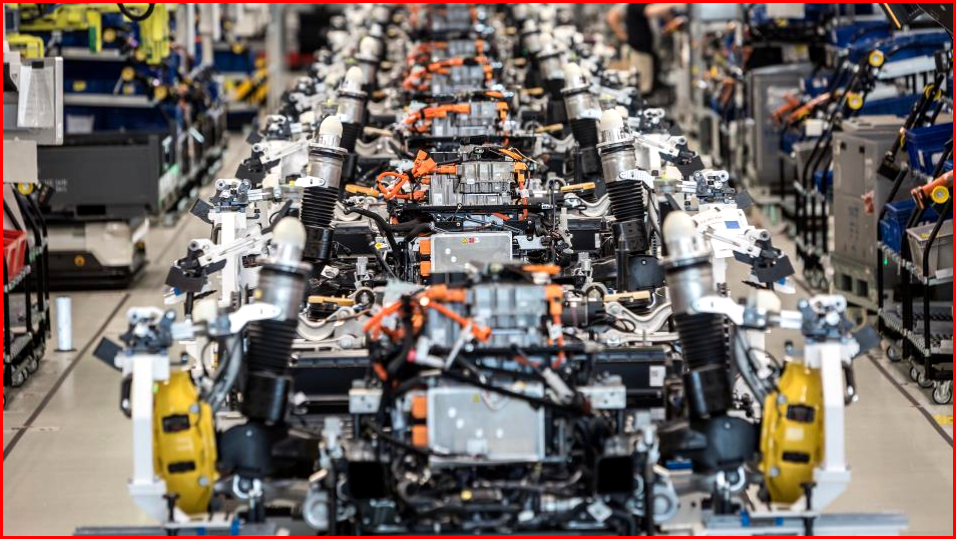

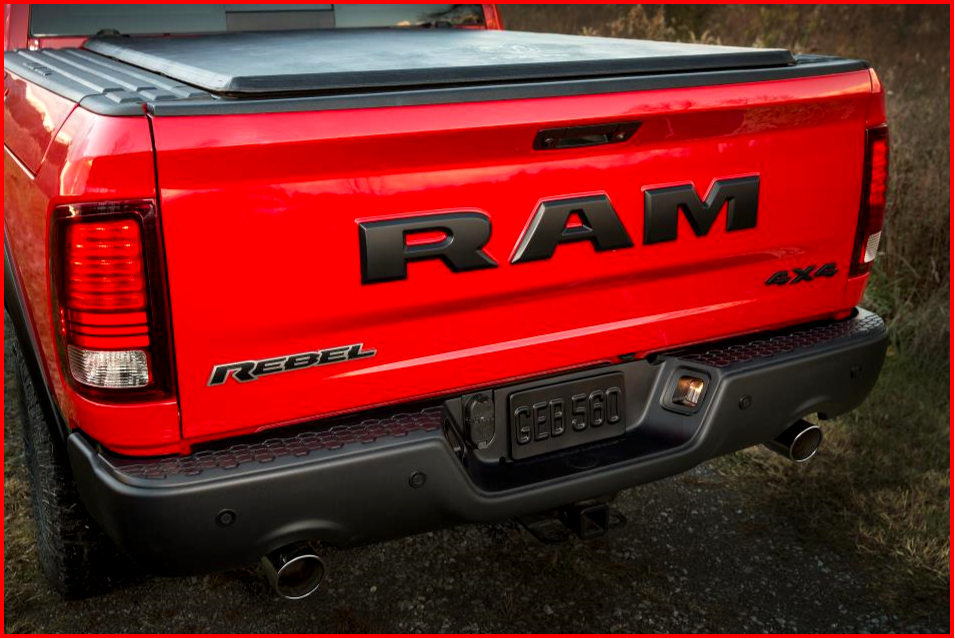

GM Finally Recalls 3,456,111 SUVS, Pickups for Bad Brakes
If the vacuum level drops, customers may experience increased brake pedal effort, hard brake pedal, and/or potentially increased stopping distance. The Driver’s Information Centre “Service brake assist” alert will activate 2-5 minutes after the vacuum level drops, and a Diagnostic Trouble Code will also be set. The safety defect is more prevalent at low speed when softly applying the brakes. At all times, the brakes remain functional and exceed the requirements of S7.11 of Federal Motor Vehicle Safety Standard No. 135, Light Vehicle Brake Systems, GM claimed.
General Motors LLC is recalling 2015-2017 Cadillac Escalade, 2014-2018 Chevrolet Silverado, GMC Sierra, 2015-2018 Chevrolet Suburban, Tahoe, GMC Yukon vehicles. The amount of vacuum created by the vacuum pump may decrease over time. As the vacuum level drops, the brake assist decreases, increasing braking effort, extending the distance required to stop the vehicle – increasing the risk crashes on these large and heavy vehicles. GM did not disclose the source of the U.S.-made pump. Continue reading →