
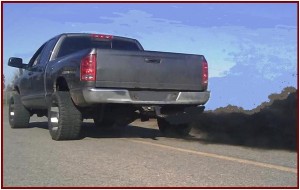
 The U.S. Environmental Protection Agency said today it will collect civil penalties from two companies that allegedly sold illegal “defeat devices” that are designed to make automobile emission controls inoperative, in violation of the federal Clean Air Act. Baillie Diesel Inc. of Nixa, Missouri, agreed to pay $18,000. D & K Repair of Rock Valley, Iowa, will pay $90,000. As part of the settlements, the companies agreed to destroy their inventories of defeat device components. They also certified that they have stopped selling devices that disable vehicle emission controls.
“Cracking down on sellers of illegal defeat devices is a top enforcement priority* for EPA,” said Wendy Lubbe, acting director of EPA Region 7’s Enforcement and Compliance Assurance Division. “These illegal practices contribute to harmful air pollution and impede federal, state, and local efforts to implement air quality standards that protect public health,” said Lubbe. Continue reading











GM, Honda to Develop New EVs for Sale in 2027
What fun for brand managers – a common platform for Cadillac and Acura SUVs?
In identical releases this morning from Detroit and Tokyo, GM and Honda said they will design a new EV series expected to go on sale in 2027 starting in North America. The unnamed vehicles will be based on a new global architecture using GM’s next-generation Ultium battery technology. The companies said they will also work toward standardizing equipment and processes to achieve “world-class quality, higher throughput and greater affordability.” Specifically mentioned was the compact crossover segment, which is the largest in the world, with annual volumes of more than 13 million vehicles – think Buick Encore and Cadillac XT4. (AutoInformed on: Honda Prologue EV – Vapor Ware Until 2024; Honda to Abandon IC Engines – Global Electrification by 2040; Honda, GM Ink MoU on North American Alliance!)
The business justification for the expansion of GM Honda collaboration has increased in urgency since yesterday’s release of the latest UN report on Greenhouse Gases. It said that greenhouse gas emissions must peak by 2025 – at the latest – and then drop by more than 40% by the end of the decade to limit global temperature rise to 1.5 degrees Celsius compared to pre-industrial levels. (U.N.’s Intergovernmental Panel on Climate Change) Continue reading →