
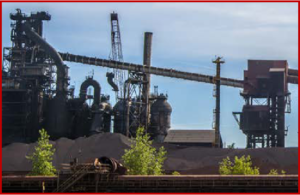
Cleveland-Cliffs Dearborn Works
The US Environmental Protection Agency and the US Department of Justice announced a modification this afternoon to a 2015 consent decree between the United States and state of Michigan with the Cleveland-Cliffs Steel Corporation (NYSE: CLF formerly AK Steel) to resolve Clean Air Act violations at the company’s Dearborn, Michigan, steel manufacturing plant. The company is the largest supplier of flat rolled steel in North America and the largest supplier of automotive-grade steel in the US. Cleveland Cliffs also announced a price increase today. Cliffs’ minimum base price for hot rolled steel is now $800 per net ton.
“Today’s announcement shows that EPA and the Department of Justice are committed to achieving cleaner air for communities across the country,” said Assistant Administrator David M. Uhlmann for EPA’s Office of Enforcement and Compliance Assurance. “The changes that Cleveland-Cliffs will make at its Dearborn facility will reduce harmful air pollution and improve air quality for local residents.” Continue reading


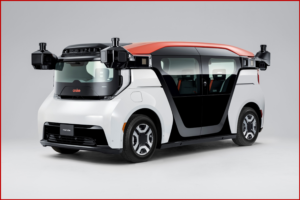



Robitaxi Riders at Odds with Overall Consumer Opinion
In general consumers are not comfortable with the testing and deployment of robotaxis* on their city streets, according to the inaugural J.D. Power US Robotaxi Experience StudySM, released today. Findings show that only 27% of non-riders are comfortable sharing the road with robotaxis and just 20% of all consumers nationally are comfortable with AV technology being tested on streets and highways near them. Robotaxi riders, clearly new-tech adopters, are critical messengers for AV technology, and most tend to tout a positive experience.
“Automated vehicle technology is built on the promise of alleviating distracted driving, impaired driving and collisions attributed to human error,” said Kathleen Rizk, senior director of user experience benchmarking and technology at J.D. Power. “However, the benefits result from consumer acceptance, which is why it’s imperative to ensure these first deployments are flawless—not only for the riders but also especially for those who are not early adopters, including non-riders who are experiencing AVs in their community and those learning from a distance through social media and other news outlets.” Continue reading →