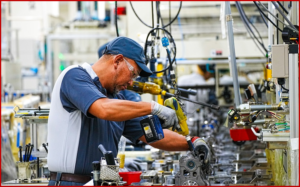
 The Nissan Yokohama Plant has built 40 million engines in 2023 – the same year Nissan celebrates its 90th anniversary. Yokohama opened in 1935, two years after Datsun’s (Nissan after 1986) founding. It was bombed in the Doolittle Raid in April of 1942 and Japan’s second largest city was almost completely destroyed in subsequent WW2 bombings. Yokohama was making trucks for the Japanese Imperial Army at the time.
Yokohama built its 10 millionth engine in 1976, its 20 millionth in 1986 and its 30 millionth in 1997. With the launch of the all-electric LEAF in 2010, the plant has also been producing electric motors, including those for e-POWER vehicles such as the Nissan Note. During the Japanese fiscal year 2022, motors accounted for approximately 40% of Yokohama Plant’s production. Continue reading






Consumer Rights Nil in New Autonomous Vehicle Bills?
The Innovation, Data, and Commerce Subcommittee of the House Committee on Energy and Commerce will look at autonomous vehicle regulations during a 26 July hearing called “Self-Driving Vehicle Legislative Framework: Enhancing Safety, Improving Lives and Mobility, and Beating China.” Previous versions of the Bill were sponsored by Republicans but went nowhere. This time the subcommittee will consider separate draft legislation from Representative Bob Latta, a Republican from Ohio, and Representative Debbie Dingell, a Democrat from Michigan. NHTSA is also in the process of looking at self-driving vehicle regulations.*
The Center for Auto Safety says one of the proposals, the SELF DRIVE Act, “neglects to include any consumer protections that prevent the use of binding arbitration clauses in contracts involving autonomous vehicles.” As is common in Washington the legislation is misleadingly named. However, there is a need to explore the issue as there are arguments on many aspects of technology and systems that can save lives and reduce traffic congestion even though AutoInformed remains skeptical about the ability of politicians to do so with a regard for We the People as opposed to We the Congress who are paid large sums by corporate interests. Continue reading →