
The Securities and Exchange Commission today charged the former Chief Financial Officer of pharmaceutical company Immunomedics, Inc. and his former romantic partner with insider trading in the company’s stock.
Herewith the, err, lowlights from the SEC legal action: while serving as CFO of Immunomedics, Usama Malik learned that the FDA had permitted the company to halt a clinical trial for a breast cancer drug because the existing trial data provided compelling evidence that the drug was effective. Malik – who was subject to a trading “black-out” that prohibited him and anyone living in his household from purchasing Immunomedics stock – immediately told Lauren S. Wood, with whom he lived at the time, as well as three family members. Wood and two of the family members then bought Immunomedics stock, as did an account in the name of the third family member’s spouse. Continue reading



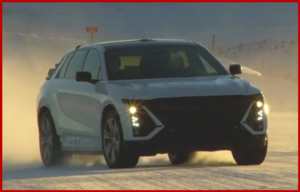
Mercedes-Benz to invest €60B to be Electric Only
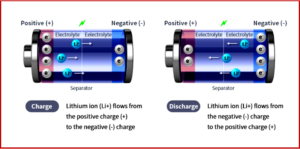
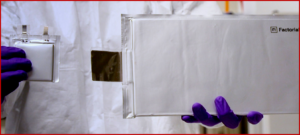
Daimler says using standardized battery platforms and scalable vehicle architectures – with advances in battery technology – will contribute to a reduction in the variable costs of vehicles. This of course sounds like the plan of all major automakers.
Daimler AG’s Supervisory Board today approved the Mercedes-Benz Business Plan for 2022 to 2026. This means that Mercedes-Benz will transform to a fully electric connected car company. After the Daimler Truck spin-off, Mercedes-Benz will focus on growth opportunities in the passenger car and van businesses. By doing so it is hoped that the German luxury can work for leadership in the area of electric drives and car software at a time when the entire industry is pursuing the same aim. (Shareholders Vote to Spin-off of Daimler Truck, Rename Daimler AG to Mercedes-Benz Group; Daimler Truck Receives Investment Grade Ratings)
The Supervisory Board agreed to an investment plan for the years 2022 to 2026 of more than €60 billion. Mercedes-Benz claims it will reduce capital expenditures, research and development expenses for the electrification of the product portfolio and digitalization processes, including steps towards automated driving, albeit at an admittedly high level. Needed to do this is an increase net revenues per vehicle. In addition, a gradual shift toward a direct sales model, which includes control over pricing, is being sought. Rising revenue from digital services will further support results. Continue reading →