
Click for more.
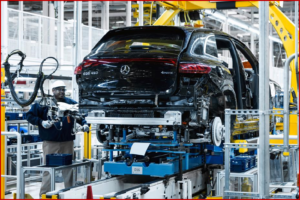
Workers at Mercedes in Alabama narrowly defeated a vote (2642 or 56% against with 2045 for) to join the UAW* in an election that was made public late Friday night. This was in stark contrast to the record contract approved by workers at Daimler Truck or the ratification of the union at Volkswagen in Chattanooga, Tennessee. Alabama has been a so-called “right to work state” (for less?) since 2016, meaning that union-membership is not required for employment. By late February, less than two months after Mercedes workers went public with their drive to join the UAW, a majority of them had signed union cards. Whether this is the end of the matter is far from clear. The UAW lost the vote at VW two times prior to its win.*
“Should the UAW suffer defeat, depending on how close the vote is, it will undoubtedly explore its legal options under the NLRB. While set back, the union will not lessen its resolve. It will assess where it went wrong and how to correct it. The fight to organize the non-union auto sector will only intensify, on both sides as the stakes mount,” the Center for Automotive Research said in a paper published just before the vote. Continue reading


Forced Labor Official Vehicles – BMW, Jaguar Land Rover, VW
The U.S. Senate Finance Committee* in a report published today about its investigation into links between US automakers and forced labor within the People’s Republic of China** found exposure to forced labor [1] in the supply chains of major automakers, including BMW Group (“BMW”), Jaguar Land Rover and its wholly-owned sales subsidiary Jaguar Land Rover North America (“Jaguar Land Rover”), and Volkswagen.
“The Committee’s investigation has determined that BMW manufactured and imported vehicles containing parts presumptively made with forced labor; Jaguar Land Rover imported parts presumptively made with forced labor; and VW manufactured vehicles for the US market with parts presumptively made with forced labor and has ongoing business ties to manufacturing in the Xinjiang Uyghur Autonomous Region (“Xinjiang”).” Continue reading →