
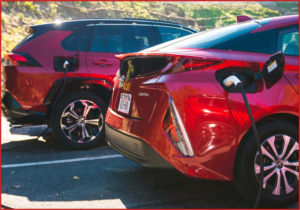
Toyota will use 100% renewable energy at this new plant to produce the batteries.
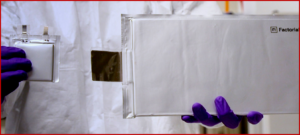
Toyota Motor North America said today that a new automotive battery manufacturing plant, Toyota Battery Manufacturing, North Carolina will be located in Greensboro-Randolph. By 2025 TBMNC will have four production lines, each capable of delivering enough lithium-ion batteries for 200,000 vehicles. The stated plan is to expand to at least six production lines for a combined total of up to 1.2 million vehicles per year.
The $1.29 billion investment made by Toyota and Toyota Tsusho is partially funded from a total investment of approximately $3.4 billion previously announced in October. The plant is expected to create 1,750 new American jobs. Continue reading


CARB Fines Honda Motor for Small Engine Emissions
CARB testing showed several small off-road engine products, aka SORE (aptly named?), did not meet evaporative emission standards. These control the amount of raw fuel that can evaporate from these engines, typically used in lawn and garden equipment such as lawn mowers, leaf blowers and pressure washers.
The California Air Resources Board (CARB) said today it reached a settlement agreement with American Honda Motor Corporation of Torrance, California for $6.9 million for violations of CARB’s air quality regulations. This is the second enforcement action against Honda in the past two years*.
Small off-road engines are a major source of pollution in California. In California during 2021, these small engines surpassed light-duty passenger cars as a source of smog-forming emissions. This includes the emissions of raw fuel that continue to evaporate from these engines, lawn mowers and other equipment even when they are off. CARB will consider a regulation on 9 December 2021 to transition small off-road engines to zero-emission technologies, aka electric. This will help California “meet its required federal clean air standards, clean the air and significantly reduce harmful emissions for those who work all day with these small off-road engines.” Continue reading →